Wound Closure Training Course Outline
Our wound closure training course equips healthcare professionals with the necessary skills to provide effective, person-focused patient care. It not only covers every method used for wound closure, but also important context and information that ensures proper healing and reduces the risk of infection.
The Importance of Wound Closure Training
If you work in a healthcare setting, be it a hospital, clinic, or even a care facility, you’ll be well aware that wound closure is a skill you use on a regular basis. As a healthcare professional, you should be able to identify the correct method of wound closure that will be necessary, and complete the task in a way that reduces the risk of complications such as infection or delayed healing.
However, there is more to the skill of wound closure than just methodology. Your role is to provide the best care possible. Some healthcare providers are too focused on the methodology, and lack communication skills that are necessary to keep patients calm, and explain why a certain method was used over another. You must also obtain informed consent before you take any action to close the wound, if the patient is able to do so.
Aftercare is also important to prevent infection, as a patient that doesn’t understand the correct way to keep their injury clean, or if they fidget with their stitches or glue, they will only increase the chance of an infection, sometimes through no fault of their own.
Our wound closure training course covers all the recommended methods for suturing and wound closure, as well as how to provide the best care possible.
Our Wound Closure Training Course
The Wound Closure Training Course is designed to provide participants with the essential knowledge and hands-on skills required to proficiently perform wound closure procedures.
This course emphasizes the importance of infection control, wound assessment, and appropriate wound closure techniques. Participants will gain practical experience in suturing, stapling, and adhesive methods while prioritising patient comfort and optimal healing outcomes.
There are 3 main types of wound closure that are covered by our training course:
Understanding all of these is essential, so by putting them all into our one-day course it leaves you feeling confident that you can seal a wound safely using all three methods.
Here is a brief overview of how we approach each method in our course:
Wound Suture Training
During suture training, delegates learn various techniques such as simple interrupted sutures. These techniques require precision and attention to detail to achieve optimal wound closure.
Wound Staple Training
During staple training sessions, participants will learn how to properly place staples along the wound edges using a specialised stapling device. This technique is particularly useful when working on areas where achieving precise alignment might be challenging due to anatomical factors.
Wound Glue Training
On our wound glue training course, delegates learn how to properly apply the glue in thin layers along the wound and ensure proper adhesion.
These three methods are the ones currently recommended by governing bodies. There will be applications for all three within your role, so it’s vital that they are all covered in detail.
We also update our courses regularly; if a new method, or type of suture, for example, becomes readily available, we’ll incorporate its usage into our course so you’re always getting the most relevant information.
We can also tailor our courses to better suit your organisation. If your team are responsible for exclusively serious injuries, we can supply resources and case studies that are the most applicable.
Wound Closure Course Objectives and Outcomes
By the end of this course, delegates will be able to:
Understand Wound Healing Principles
Explain the stages of wound healing and factors that influence the wound closure process.
Describe the difference between primary, secondary, and tertiary wound closure and their indications.
Recognise Different Wound Types
Identify various wound types, such as surgical incisions, lacerations, punctures, and abrasions.
Apply appropriate wound assessment techniques to determine the best closure method for each type.
Comprehend Infection Control Measures:
Understand the importance of maintaining a sterile environment during wound closure procedures.
Describe infection prevention practices to minimize the risk of wound site infections.
Learn Suturing Techniques:
Familiarize with different suture materials, sizes, and needle types.
Develop proficiency in various suturing techniques, including simple interrupted, continuous, and subcuticular sutures.
Master Stapling Methods:
Identify suitable wound types for stapling closure.
Demonstrate proper staple placement and removal techniques.
Explore Adhesive Closure Techniques:
Understand the appropriate use of adhesive strips and tissue adhesives for wound closure.
Practice precise application of adhesive materials for secure closure.
Prioritise Patient Comfort and Safety:
Discuss pain management strategies during wound closure procedures.
Apply techniques to minimize discomfort and anxiety for patients during the closure process.
Develop Suturing Skills:
Practice precise needle handling, knot tying, and tension control in suturing.
Demonstrate consistent and even stitch placement for optimal wound closure outcomes.
Address Complications and Follow-Up Care:
Identify potential complications in wound closure, such as dehiscence and infection.
Develop strategies for monitoring wound healing progress and providing appropriate follow-up care.
Enhance Communication and Consent:
Learn effective communication techniques to explain the wound closure procedure to patients and obtain informed consent.
Understand the importance of documenting the procedure accurately for medical records.
Adapt Techniques to Diverse Wound Scenarios:
Apply wound closure techniques to various scenarios, including paediatric patients, geriatric patients, and different anatomical sites.
Modify techniques based on wound location and patient-specific factors.
Practice Hands-On Skills through Simulations:
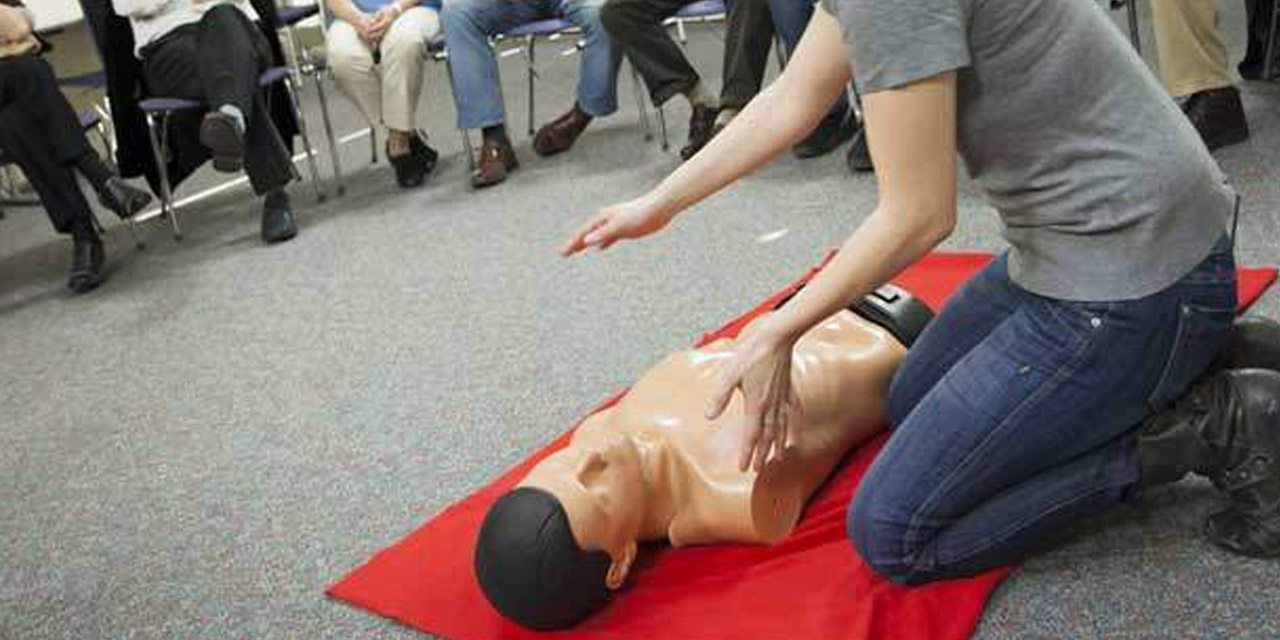
Engage in realistic hands-on simulations to practice wound closure techniques on synthetic models.
Gain confidence in selecting the appropriate closure method based on wound characteristics.
Wound Closure and Suturing Course Outcomes
This course aims to equip participants with the skills and knowledge required to perform wound closure procedures competently, safely, and in alignment with infection control practices. Participants will develop confidence in selecting and applying suitable closure methods while prioritising patient comfort and optimal wound healing outcomes.
The Guardian Angels wound closure training course takes a single day. Completing the course allows you to obtain a certificate valid for two years.
Who is Our Wound Closure and Suturing Course for?
The usual delegates that attend this course are part of an organisation that specialises in healthcare, or health and social care but one in which medical training is necessary.
Wound closure is a vital skill for any healthcare professional, one that will both support their current role and future career progression.
Please note that our courses are designed for groups, not individuals.