Who should attend Train the Trainer Courses?
Choose staff who already have relevant subject experience and will be responsible for teaching or supporting colleagues. Depending on the course, this could include nurses, allied health professionals, experienced care staff, team leaders, clinical educators, school staff or community support workers. Check the course page for any requirements around subject competence, professional registration or teaching qualifications.
The Intent of Train the Trainer
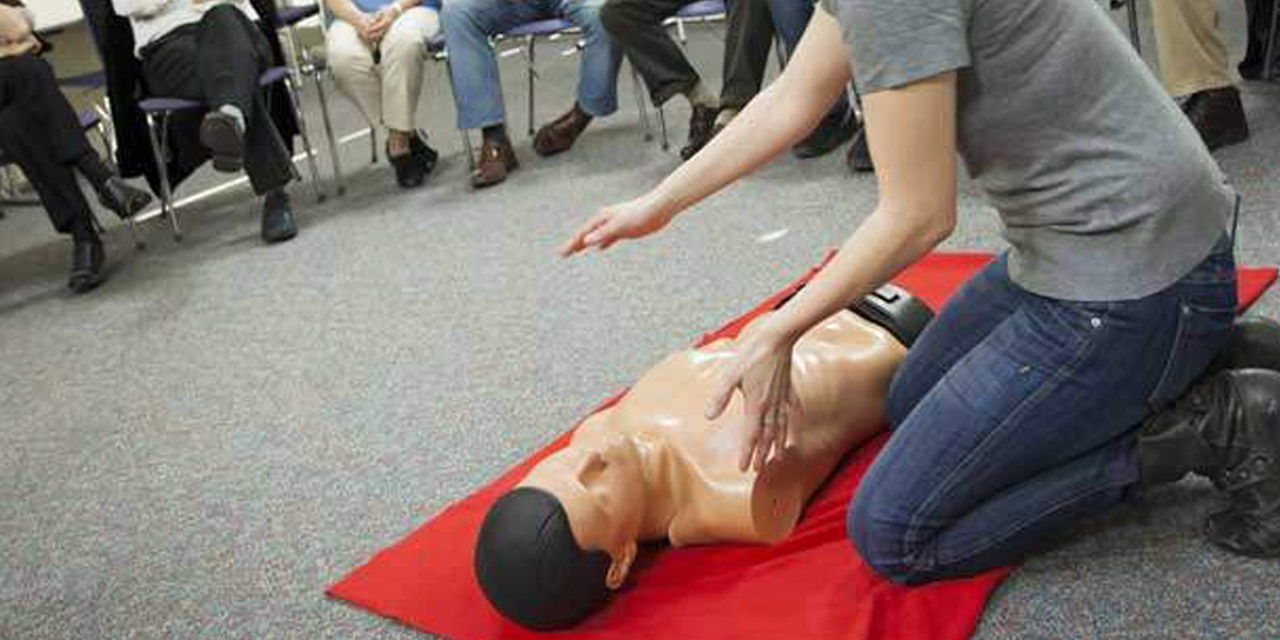
Delegates build on their subject knowledge and develop practical teaching skills. Depending on the programme, they may practise planning a session, demonstrating a skill, adapting activities for different learners, checking understanding and giving feedback.
A dementia care lead, for example, might use these skills to run a short session on communication during personal care. Colleagues can practise how they would respond if a resident became distressed and discuss how to adapt their approach to that person’s needs. Developing in-house trainers gives organisations a practical way to reinforce good practice and prepare experienced staff for educator or supervisory roles.
How we Deliver Train the Trainer Courses
We can deliver face-to-face sessions at an agreed venue. Depending on the programme, training may also include e-learning, live virtual tuition, supervised teaching practice or portfolio assessment. Our team includes nurse educators and other specialists with experience in the subjects they teach. We’ll discuss your setting, what staff need to teach and which delivery options suit your team. Course duration and assessment requirements are listed on the individual course pages.
Qualifications and Quality Assurance
The award or certificate depends on the course. Some programmes lead to a subject-specific instructor award. We also offer regulated teaching qualifications, including the Level 3 Award in Education and Training and the Level 4 Certificate in Education and Training.
Guardian Angels Training holds the Skills for Health Quality Mark. Some of our adult social care provision is quality assured through Skills for Care’s Quality Assured Care Learning Service.
Frequently Asked Questions
Should we book Train the Trainer or Clinical Skills training?
Choose Train the Trainer when experienced staff will teach colleagues. If staff need to learn or refresh a skill for their own role, such as administering buccal midazolam, choose Clinical Skills training.
Do delegates need a teaching qualification before they attend?
Entry requirements vary by programme. Some courses require an existing teaching qualification or evidence of relevant teaching experience. If staff already hold a qualification, tell us which one so we can confirm whether it meets the course requirements.
Can you tailor the course to our organisation?
Where the programme allows, we can use examples that reflect your team’s roles, the people they support and the procedures they follow. Tell us who your staff will teach and what you need them to deliver.
Will delegates receive materials they can use to train colleagues?
All programmes include trainer materials. Depending on the course, these may include slides, lesson plans or assessment tools. Your quotation can confirm which resources you’ll receive and any licence conditions for using, adapting or sharing them.
When can delegates start delivering training independently?
All programmes require delegates to meet the course requirements before they can teach independently. Depending on the programme, this may include passing an assessment, completing supervised teaching or receiving written approval. Allow time for these steps when planning your new trainers’ first sessions.
Can staff assess colleagues after completing a Train the Trainer course?
Some programmes prepare trainers to assess specific skills. Check which assessment responsibilities the course covers. For clinical skills, agree what the trainer can assess and what oversight your organisation will provide.
Can our trainers teach staff at other sites or organisations?
This depends on the programme, the trainer’s approved scope and any licence conditions for the teaching materials. If you plan to train staff across several sites or deliver training to external organisations, tell us before booking so we can confirm what the programme covers.
Do Train the Trainer certificates need renewing?
Renewal arrangements vary by programme. Some require refresher training, evidence of continuing professional development or formal revalidation. Ask when renewal is due and what evidence trainers will need to provide.
How much does Train the Trainer cost for a group?
Group prices depend on the course, the number of delegates and the delivery format. Tell us the subject, group size and preferred location or format. We can confirm the fee and what it covers, including assessment, certification and trainer resources where applicable.
Request a Group Training Quote
Tell us which subject you need, how many staff you want to train and where they work. We’ll help you choose a course and confirm the entry requirements, delivery options and costs.
Enquire about group Train the Trainer courses