Buccal Midazolam Training Course
There are a number of ways to treat epilepsy, with Buccal Midazolam being one of the most prescribed rescue medications for epileptics who suffer from prolonged or repeated cluster seizures.
Understanding epilepsy and the methods used to treat it in an emergency is essential for healthcare providers and anyone else who might need to administer rescue treatment.
Our in-depth Buccal Midazolam training course will provide all the information and methodology required to not only administer Buccal Midazolam safely but also understand why it is used instead of other treatments or medicines.
At Guardian Angels, we know that just a demonstration isn’t enough to be considered proper training, and by going the extra mile we can help you keep people safe and healthy.
What is Buccal Midazolam?
Buccal Midazolam is a medicine used to treat epileptic seizures. Midazolam is the medicine itself and ‘buccal’ refers to how the medicine is administered, in this case via the space between the gum and cheek.
This is important to know, as other medicines such as Rectal Diazepam, are, as the name suggests, administered rectally. Although this medicine is less common than Buccal Midazolam, it’s important to understand all treatments currently in use.
Our course covers all the most common epilepsy treatments in detail, and we have additional resources for any that are more obscure or aren’t covered during the training session.
Our Buccal Midazolam Training Course
The course aims to provide delegates with a comprehensive understanding of epilepsy,
as well as the rescue medications used in the treatment of epilepsy, ensuring that
they leave with the necessary skills to safely administer such medication in an emergency.
A first aid provider needs to do more than just administer a treatment, which is why
we cover all aspects of epilepsy, including what steps to follow if someone in your
care has a seizure, including aftercare and preventative measures.
All our Epilepsy training courses comply with the Epilepsy Nurses Association (ESNA)
training guidelines and standards for rescue medication administration.
Buccal Midazolam Training Course Outline
Buccal Midazolam is the most commonly prescribed rescue medication for those who have epilepsy and experience prolonged or repeated cluster seizures. We offer Buccal Midazolam training in the administration of Buccal Midazolam and other rescue medications.
We offer bespoke training in Buccal Midazolam administration, as well as Rectal Diazepam and Rectal Paraldehyde. Buccal Midazolam Administration can also be delivered as a single topic if participants have already completed Epilepsy Awareness training.
Our rescue medication training is bespoke to the needs of your organisation. You can benefit from a range of optional add-ons depending upon the requirements of your patients and service users. As Buccal Midazolam is the most commonly prescribed rescue medication for epilepsy, the course is primarily focused on the administration of this. However, our highly experienced nurse educators are able to deliver individualised training for other rescue medications should your organisation require it.
Here’s how the course itself is structured.
Buccal Midazolam Course Content
As mentioned, these courses can be customised to suit your exact needs and there are a few to choose from.
Typically courses would include Epilepsy Awareness, Seizure First, and the Administration of Buccal Midazolam.
They all cover the following:
- Emergency seizures – How to spot a seizure in its initial stages, and how to respond to prolonged and cluster seizures.
- Currently available rescue medication – We cover Buccal Midazolam, Rectal Diazepam, and Rectal Paraldehyde. Our experts will explain the differences between them and how to administer all if your chosen course covers all 3.
- The NICE Guidelines for the treatment and management of epilepsy seizures – Understanding the most recent guidelines and legislation is essential to stay compliant and ensure that the best treatment is being given. We update our courses regularly so that they are always up to date with the latest information.
- The benefits and risks of rescue medication – Knowing why these treatments are used, and some of the potential risks involved, is just as important as the correct method.
- The specific advantages and disadvantages of Buccal Midazolam, Rectal Diazepam, and Rectal Paraldehyde – Why these are used over others, and why Buccal Midazolam is the most common.
- Seizure Management Plans and rescue medication prescriptions – Being ready for a seizure is essential, as if you know what to do but don’t have the right medication to hand, the person having a seizure will be at serious risk.
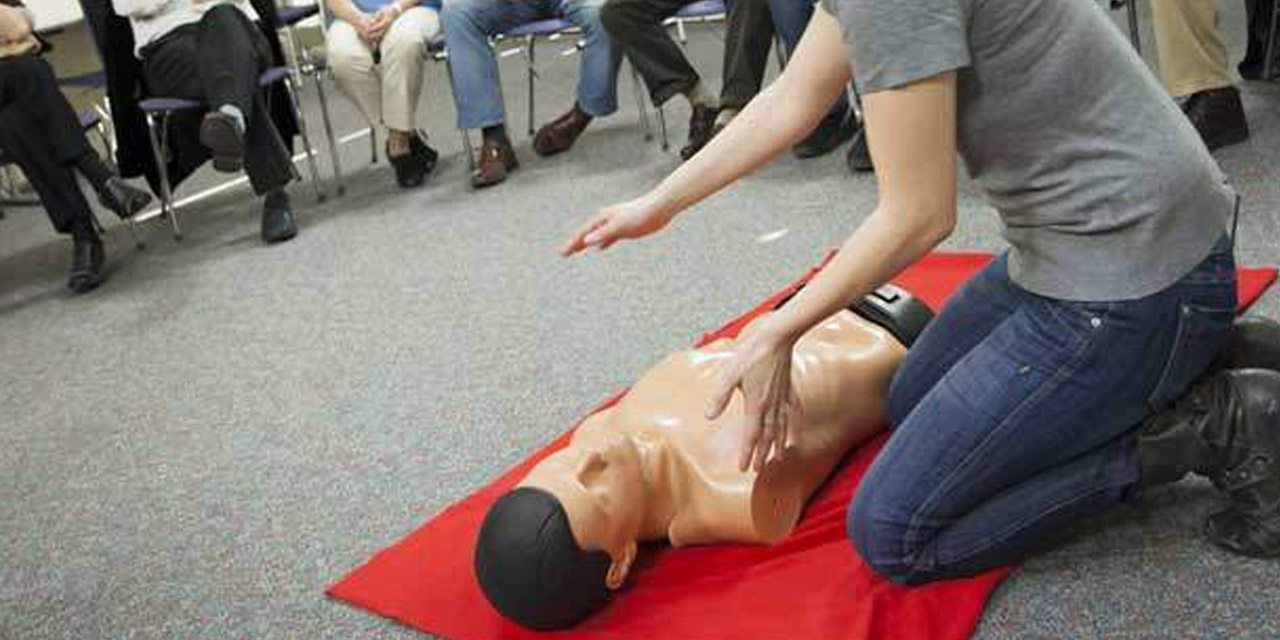
- How to administer Buccal Midazolam, or other rescue medications – This is naturally the most important part of the course and will be covered using in-person demonstrations and re-enactments to ensure all attendees learn to apply the correct method in a controlled environment. Administration of other rescue medications may be taught depending on the course option, which will be specific to the local needs assessment.
- Aftercare and management following administration – Almost as important as the administration is knowing what to do afterwards, ensuring a safe process post-seizure.
- Storage and health and safety requirements – This is something often overlooked by similar Buccal Midazolam training courses but is a factor not all healthcare workers are familiar with and therefore should be included in training.
Who Needs Buccal Midazolam Training?
Our Buccal Midazolam Training and Rescue Medication Administration course is for practising healthcare professionals and support workers.
If your team looks after someone or multiple people with epilepsy, it’s vital that they’re providing the best care possible and can respond quickly and correctly in an emergency.
Our course helps to ensure carers have the necessary skills to safely administer rescue medication, whether this be at home, within a care home setting, or in hospital.
It’s important to note that the course is not open to individuals. We operate on an organisational basis, providing training to groups of employees from a specific place of work. We operate in this way so that we can offer course content and training that is fully bespoke to the needs of your employees, patients, and service users.
Frequently Asked Questions
Do you need training to give buccal midazolam?
Yes, administering buccal midazolam requires appropriate training. As an emergency medication used to stop prolonged seizures, it should only be given by individuals who have been trained in its safe administration, including the correct dosage, patient positioning, monitoring procedures, and the guidance set out in the individual’s personalised seizure care plan.
How Long Is The Buccal Midazolam Training Course?
Our Buccal midazolam training course at Guardian Angels Training is 4 hours