Specialist Hospice Assistant Practitioner Training for Palliative and End-of-Life Care Services
As demand on hospice and palliative care services continues to increase, many organisations are developing Hospice Assistant Practitioner roles to strengthen their workforce, support registered nurses and improve the quality, consistency and capacity of care delivery.
Our Hospice Assistant Practitioner Training Programme is designed to prepare experienced healthcare assistants, senior care staff, and developing assistant practitioners to undertake enhanced delegated responsibilities safely, confidently, and within clear organisational governance frameworks.
Our specialist training supports hospices and palliative care providers to build a skilled, competent and compassionate workforce that can contribute effectively to patient comfort, quality of life, clinical safety, and family-centred care.
What Is a Hospice Assistant Practitioner?
A Hospice Assistant Practitioner is a trained member of the hospice or palliative care team who supports registered nurses and specialist practitioners by carrying out agreed delegated clinical and care-related responsibilities.
Hospice Assistant Practitioners do not replace registered nurses. Instead, they strengthen the wider care team by supporting routine clinical care, recognising concerns, escalating changes and providing compassionate support to patients and their families.
Depending on local policies, service needs, role design, and governance arrangements, Hospice Assistant Practitioners may support with:
Clinical observations and deterioration monitoring
Symptom awareness and escalation
Medication administration support
Tissue viability and pressure care
Enteral feeding awareness and support
Mouth care, hygiene and comfort care
Infection prevention and control
Emotional support for patients and families
Documentation and communication
Supporting multidisciplinary care planning
These responsibilities require structured training, clear assessment and robust competency evidence. Our Hospice Assistant Practitioner Training Programme provides the knowledge, skills and professional development required to support safe delegated practice in hospice and palliative care environments.
Why Hospice Assistant Practitioner Training Matters
Hospice and palliative care services are complex, emotionally demanding, and clinically sensitive environments. Staff must be able to provide compassionate care while also recognising deterioration, managing risk, communicating effectively, and working within professional boundaries.
Without appropriate training, delegated clinical tasks can become inconsistent, rushing their work or making errors. This can increase risk for patients, families, staff and organisations.
Our Hospice Assistant Practitioner training helps organisations to:
Develop a more confident and capable hospice workforce
Reduce pressure on registered nurses and specialist teams
Improve consistency in delegated clinical practice
Support safer escalation and documentation
Strengthen governance and accountability
Evidence staff competence through structured assessment
Improve patient comfort, dignity and quality of life
Support workforce development and career progression
This programme is especially valuable for hospices, community palliative care teams, and Hospice at Home services seeking to develop enhanced care roles within a safe and defensible framework.
Our Hospice Assistant Practitioner Training Programme
Our Hospice Assistant Practitioner course has been designed specifically around the realities of modern hospice, palliative and end-of-life care.
Unlike generic healthcare training, this programme focuses on the knowledge, behaviours, and practical skills required when supporting people with life-limiting illness, complex symptoms and changing care needs.
The programme places strong emphasis on:
Compassionate care delivery
Holistic and person-centred care
Symptom awareness and escalation
Communication during difficult conversations
Emotional resilience and reflective practice
Dignity, comfort and quality of life
Palliative emergency awareness
Professional boundaries and accountability
Safe delegated clinical practice
Training is delivered by experienced healthcare professionals and nurse educators with hospice, palliative care and clinical practice experience.
The course can also be tailored to reflect your organisation’s service model, local policies, patient group, clinical skill requirements and competency expectations.
Blended Hospice Assistant Practitioner Training
Our Hospice Assistant Practitioner Training Programme uses a blended learning approach to support both knowledge development and practical competence.
The programme includes:
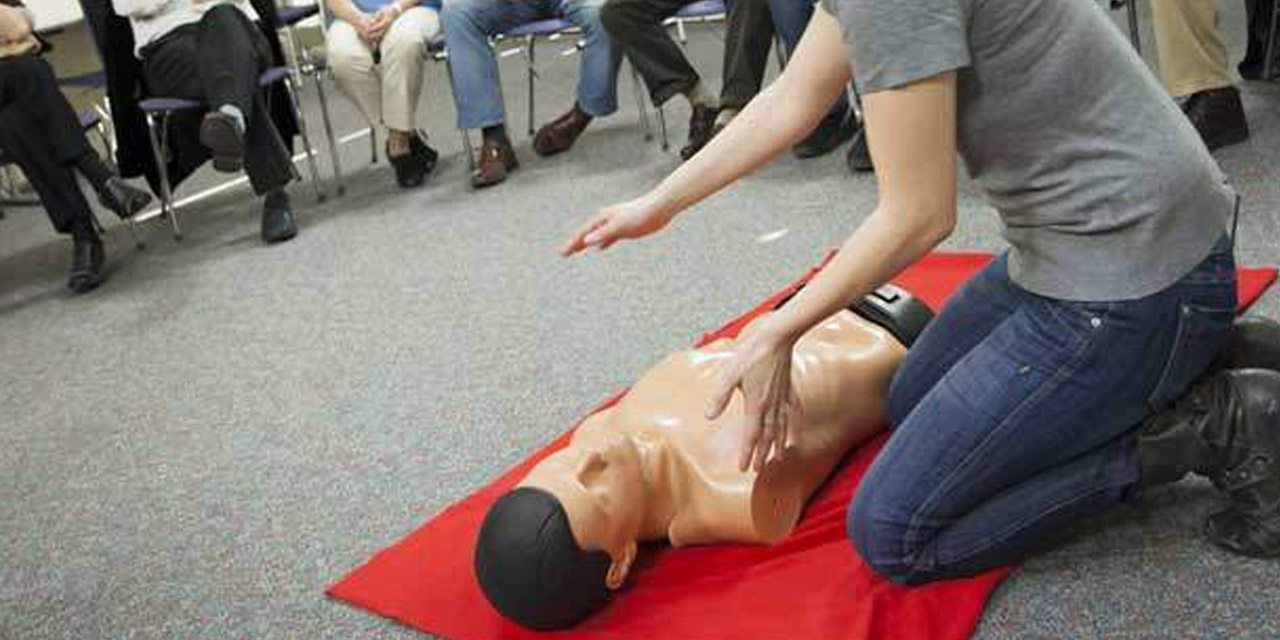
Face-to-face practical clinical skills sessions
Scenario-based hospice learning
Reflective practice activities
Workplace competency development
Governance-focused learning
Practical assessment and OSCE-style activities
Real-world palliative care scenarios
This approach allows delegates to develop knowledge, practise key skills and build confidence before applying learning in the workplace under appropriate supervision.
Hospice Assistant Practitioner Training Course Content
The programme is structured around key hospice and palliative care themes. Content can be adapted to meet the needs of your organisation and the responsibilities of the Hospice Assistant Practitioner role.
Module 1: Professional Practice and Accountability
This module introduces the professional expectations of the Hospice Assistant Practitioner role, including safe delegated practice and working within scope. Topics include:
Accountability and delegation
Communication and documentation
Confidentiality and professionalism
Module 2: Principles of Palliative and End-of-Life Care
Delegates explore the values, philosophy and principles that underpin high-quality hospice and palliative care. Topics include:
Philosophy of palliative care
Quality of life and comfort care
Dignity and compassionate practice
Supporting choice and individuality
Module 3: Communication in Hospice Care
This module supports delegates to communicate with patients, families and colleagues with sensitivity, clarity and professionalism. Topics include:
Therapeutic communication
Supporting emotional distress
Communication during deterioration and end of life
Module 4: Clinical Observations and Deterioration
Delegates learn how to support clinical monitoring, recognise change and escalate concerns appropriately. Topics include:
Recognising deterioration
Recognising dying and significant changes
Module 5: Symptom Awareness and Escalation
This module develops awareness of common symptoms in palliative and end-of-life care and the importance of timely reporting. Topics include:
Reporting and escalating concerns
Module 6: Medication Administration and Medicines Management
Delegates develop knowledge of safe medicines support within their delegated role and organisational procedures. Topics include:
Safe medicines management
Medication administration principles
Controlled drug awareness
Documentation and accountability
Medication-related escalation concerns
Module 7: Tissue Viability and Comfort Care
This module focuses on skin integrity, pressure care, dignity and comfort-focused support. Topics include:
Pressure ulcer prevention
Repositioning and pressure relief
Module 8: Nutrition, Hydration and Dysphagia
Delegates explore safe, person-centred approaches to nutrition and hydration in palliative care. Topics include:
Supporting eating and drinking
Comfort-focused and risk-balanced approaches
Module 9: Catheter and Stoma Care
This module supports delegates to understand safe catheter and stoma care within delegated practice. Topics include:
Recognising complications
Escalation and troubleshooting
Module 10: Diabetes Care in Palliative Settings
Delegates learn how diabetes care may change in palliative and end-of-life contexts and how to recognise concerns. Topics include:
Hypoglycaemia and hyperglycaemia
Supporting diabetes management at end of life
Escalation and symptom awareness
Module 11: Emotional Resilience and Reflective Practice
This module supports staff wellbeing, professional reflection and emotional resilience when working in hospice care. Topics include:
Emotional impact of hospice care
Compassion fatigue awareness
Practical Hospice Clinical Skills Sessions
Delegates also complete practical learning sessions to develop confidence, competence and safe practice in key clinical and care skills.
Practical Session 1
This session includes:
Infection prevention and control
Medication administration
Practical Session 2
This session includes:
Tissue viability and comfort care
Enteral feeding awareness
End-of-life care scenarios
Practical sessions are designed to allow delegates to apply learning safely, receive feedback and develop evidence for workplace competency.
Assessment and Competency Development
The Hospice Assistant Practitioner Training Programme includes structured assessment to support safe, evidenced and defensible practice. Delegates may be required to:
Attend all mandatory learning sessions
Complete knowledge assessments
Complete practical assessments
Develop reflective accounts
Build a portfolio of evidence
Complete workplace competency documentation
Demonstrate safe and compassionate practice
Meet final assessment requirements
On successful completion, delegates will be supported to undertake agreed enhanced delegated responsibilities within hospice and palliative care environments, while remaining within their role, competence, scope of practice and organisational governance framework.
Governance and Workplace Support
We understand that training alone is not enough. Organisations also need clear documentation, competency evidence and governance processes to support safe implementation of Hospice Assistant Practitioner roles. We can provide supporting resources such as:
Competency assessment documentation
Reflective practice tools
Workplace competency resources
Practical assessment records
Role development guidance
Optional workplace competency assessments by our registered nurse educators are also available.
Who Is This Training For?
This Hospice Assistant Practitioner Training Programme is suitable for organisations including:
Specialist palliative care units
Community palliative care teams
End-of-life care providers
Specialist elderly care services
Complex continuing care services
Community healthcare services supporting palliative care
It is particularly suitable for organisations developing enhanced care roles, assistant practitioner pathways or structured competency frameworks for senior healthcare assistants and support workers.
Why Choose Our Hospice Assistant Practitioner Training?
Our training is designed to be practical, compassionate, clinically relevant and governance-focused. Organisations choose this programme because it:
Is designed specifically for hospice and palliative care services
Supports enhanced delegated clinical practice
Combines knowledge, skills, reflection and competency evidence
Can be tailored to your organisation’s needs
Is delivered by experienced healthcare professionals and nurse educators
Supports safe, compassionate and person-centred care
Helps strengthen workforce capacity and confidence
Provides evidence for governance, quality assurance and defensible practice
Develop Confident Hospice Assistant Practitioners
If your hospice or palliative care service is developing Assistant Practitioner roles, our specialist training can help ensure staff are prepared, competent and confident to support patients, families and clinical teams safely.
Our Hospice Assistant Practitioner Training Programme provides the structured knowledge, practical skills, assessment and workplace competency support needed to develop safe and compassionate enhanced care roles within hospice and palliative care settings.
Contact us to discuss a bespoke Hospice Assistant Practitioner Training Programme for your organisation.