The Importance of Quality Adult Social Care Training
When an adult requires care, either part-time, full-time or for a short period while they recover from illness or injury, they should always be treated with respect. Many healthcare professionals fully understand the correct methodology, and provide high-quality treatment, but fail to communicate.
Every service user requires a unique approach. Adult social care specialists must learn about their individual needs and preferences in order to provide the best care. This requires a person-centred approach and effective communication every step of the way.
The demand for skilled adult social care services is increasing year on year, so this is a desirable line of work for healthcare professionals. By completing this course, individuals will be equipped with more skills, a better understanding of their role, and accreditation that will support their career prospects.
Our Level 2 Adult Social Care Training Course
Our Level 2 Adult Social Care Certificate (RQF), regulated by OFQUAL and approved by Skills for Care, is a comprehensive training program and qualification designed to equip individuals with the essential skills and knowledge required for a successful career in adult social care.
This qualification provides a solid foundation for those entering the sector, but can also benefit more experienced professionals who want to ensure that they’re following the current best practices.
It’s important to note that the Adult Social Care Certificate will not replace the Care Certificate standards, but knowledge gained from new starter induction may be used towards gaining the Level 2 Adult Social Care Certificate via recognition of prior learning. Alternatively, this qualification can be designed in such a way to be blended into care employer induction programmes.
One of the many benefits of choosing Guardian Angels training is how we tailor our courses to suit your needs, or the needs of your organisation. All courses are taught by practitioners in the field, so they can adapt when necessary to make the course content better for your needs.
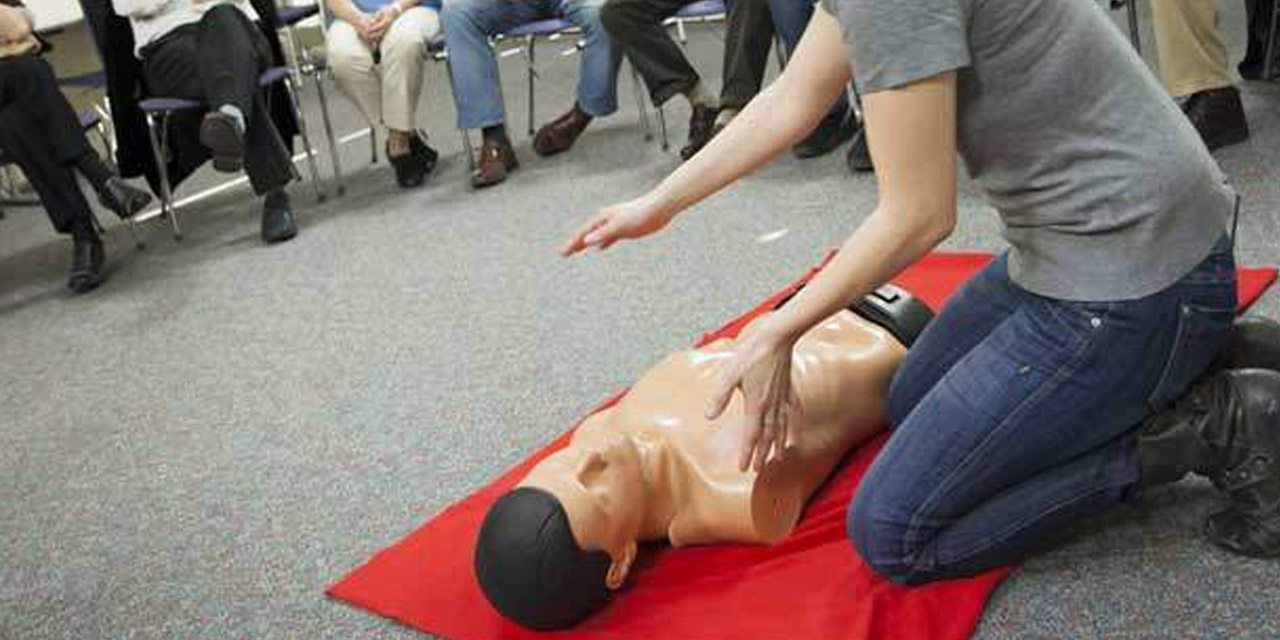
We also value practical learning wherever possible. Correct methodologies will be demonstrated, and learners will be encouraged to contribute as much as possible. For younger care practitioners, this is a great way to hone skills and gain confidence before they need to work with real service users.
Level 2 Adult Social Care Training Course Content
As adult social care is a broad industry, we cover an equally broad range of units. These can be added or removed based on your specific role.
Overview of the adult social care sector
Understanding the roles and responsibilities of care workers
Personal Development in Adult Social Care Settings
Reflective practice and continuous professional development
Setting goals for career advancement
The Principles of Duty of Care in Adult Social Care Settings
Understanding the duty of care
Managing conflicts and dilemmas
Promoting Equality, Diversity, Inclusion and Human Rights in Adult Social Care Settings
Understanding equality, diversity, and inclusion
Promoting inclusive practices
Promoting Person-Centred Practice in Adult Social Care Settings
Implementing person-centred care practices
Promoting dignity, choice, and independence
Promoting Effective Communication in Adult Social Care Settings
Effective communication techniques
Overcoming barriers to communication
The Principles of Privacy and Dignity in Adult Social Care Settings
Maintaining privacy and dignity in care
Respecting personal boundaries and choices
Promoting Nutrition and Hydration in Adult Social Care Settings
Importance of nutrition and hydration
Assessing and meeting individual nutritional needs
Understand Awareness, Mental Health, and Dementia
Awareness of mental health conditions and dementia
Supporting individuals with mental health needs
The Principles of Adult Safeguarding
Identifying signs of abuse and neglect
Reporting and responding to safeguarding concerns
Understand the Principles of Safeguarding Children
Safeguarding principles for children
Recognising and reporting child protection issues
Promoting Health, Safety and Principles of Basic Life Support
Maintaining a safe and healthy care environment
Understanding risk assessment and management
Basic life support techniques
Effective Handling of Information in Adult Social Care Settings
Maintaining accurate and secure records ·
Data protection and confidentiality
The Principles of Infection Prevention and Control (IPC)
Understanding infection control procedure
Implementing IPC measures in care settings
Understand Learning Disabilities and Autism
Characteristics of learning disabilities and autism
Providing appropriate support and care
All units are invaluable for adult social care workers, especially those who are planning on working in a number of roles throughout their career. But as mentioned, some can be removed to tailor the course for an individual’s or an organisation’s needs , such as more focus on dementia care, although we also have other LDSS-eligible courses for dementia care training.
Level 2 Adult Social Care Course Objectives
During this course, learners will:
- Develop a thorough understanding of the principles and values underpinning adult social care.
- Gain knowledge of the roles and responsibilities of a social care worker.
- Learn effective communication strategies and techniques essential in a care setting
- Understand the importance of safeguarding and protecting individuals in care.
- Explore the concepts of equality, diversity, and inclusion within social care environments.
- Acquire practical skills for providing person-centred care and support.
As a training course that is aimed at less experienced social care professionals, there are no dedicated units that focus on leadership. However, upon completion of this course, learners will be eligible for more advanced courses that do. This is ideal for anyone who wants to avoid the university route for their training, but still wants to achieve equivalent certification.
Adult Social Care Assessment and Certification
The course includes a combination of written assignments, practical assessments, and reflective practice journals to evaluate learners’ understanding and application of the course material.
The practice journals are an essential assessment method as they allow learners to demonstrate their understanding better than written assignments, as it shows they can assess situations in the moment and are aware of their own actions when applying what they’ve learned.
Assessment methods are designed to ensure learners can demonstrate their competencies in real-world care settings and follow a portfolio-based approach to evidence of achievement and competency.
Upon successful completion of the course, learners will be awarded the Level 2 Adult Social Care Certificate (RQF). With this in hand, they’ll have access to multiple roles within adult social care, and can progress their career from a solid base of understanding.
Who is the Level 2 Adult Social Care Training Course for?
This course can be completed by any eligible direct care staff who are nineteen or older, making it an excellent choice for people early on in their care careers.
It can lead to success in a number of roles, including:
- Dementia Care Worker
- Domiciliary Care Worker
- Support Worker
As well as care assistant roles in residential, hospice, and community settings. If you’re considering a role in care, this course provides you with the skills, knowledge, and resources to succeed.