Nasogastric Tube Insertion is a vital skill for health and social care professionals who work with patients and people with a number of disabilities or eating disorders.
Training for nasogastric tube insertion gives your team members the confidence to perform their roles to the best of their ability, keeping people safe and healthy by following the latest medical guidelines and methodology.
At Guardian Angels, we understand the importance of not only understanding Nasogastric Tubes and their application, but also the reasons why nasogastric tube feeding is necessary. That’s why we tailor our course to suit your needs, including the information that is most relevant to you and the people whose treatment you are responsible for.
What is Nasogastric Tube Insertion?
Nasogastric (NG) tubes are used to administer food and medication to those who are unable to do so otherwise. They may have problems with the mouth or stomach, have difficulty swallowing, or struggle to meet their daily nutritional needs.
This treatment can be necessary for people with both physical and mental health conditions as a regular way of ingesting food, or as a way to administer a lot of food quickly if they are severely underfed.
A nasogastric tube can also be used to remove substances from the stomach, although it is most commonly used for feeding.
The tube is inserted into the nose of the patient (nasal) and fed into the stomach (gastric). This provides easy access to the stomach and is designed to be as painless as possible, but some discomfort can occur.
What is a Nasogastric Tube used for?
A nasogastric tube can be used to help with a number of medical conditions and mental health conditions.
It is most commonly used for people with severe eating disorders, as they struggle to consume food orally. Some can only manage small amounts of food, or purely liquids, while others can manage nothing on their own.
These conditions include:
Avoidant/Restrictive Food Intake Disorder (ARFID)
Severe Malnutrition (which can be related to an Eating Disorder but isn’t always)
These three are unique circumstances that need to be adapted to accordingly. If you are a healthcare worker, it is important that you identify the patient’s individual needs so they can be given the correct care.
Nasogastric tube feeding may also be necessary for people with severe mental health issues.
These include:
Autism Spectrum Disorder (ASD)
Post-Traumatic Stress Disorder
Emotionally unstable personality traits
Significant sensory-processing differences
Naturally these patients need a special level of care for their treatment, which is why nasogastric tube training is so important.
Our Nasogastric Tube Insertion training course will consider all of the reasons why an individual may require an NG tube, insertion and confirmation procedures, feeding (including bolus and continuous infusion pump feeding), medication administration techniques, daily care requirements, troubleshooting, and complications.
Our Nasogastric Tube Insertion Training Course
All of our training courses are delivered by experienced healthcare educators, with expert knowledge in the specific area. Since the need for Nasogastric Tube Insertion can vary so much, a customised training course backed up with the correct resources is vital.
We ensure that all course content is up to date and in line with current best practices. We also tailor course content to the specific requirements of your organisation and service users, offering fully bespoke training solutions for your team. On completion of the course, your employees will be able to provide safe, evidence-based care to those with enteral nutritional needs.
Delivered by expert healthcare educators, both our NG tube training and gastrostomy (PEG Tube) training provides healthcare workers with the clinical skill, ability and confidence to provide outstanding care and support for individuals with enteral nutritional needs.
Nasogastric Tube Insertion Training Course Content
As with all of our training courses, the content can be adapted to suit you and your team. This is based on your previous experience and training, the patients you are working with, and the level of certification you need.
This is what we include on our Nasogastric Tube Insertion course:
Indications and contraindications for a nasogastric tube
Complications and risks involved with a nasogastric tube
Blind bedside insertion of a fine bore nasogastric tube
The procedures for feeding and administering medications via an NG tube
Recognising, dealing with and reporting complications
Procedures for effective mouth care
Defensible documentation and record-keeping
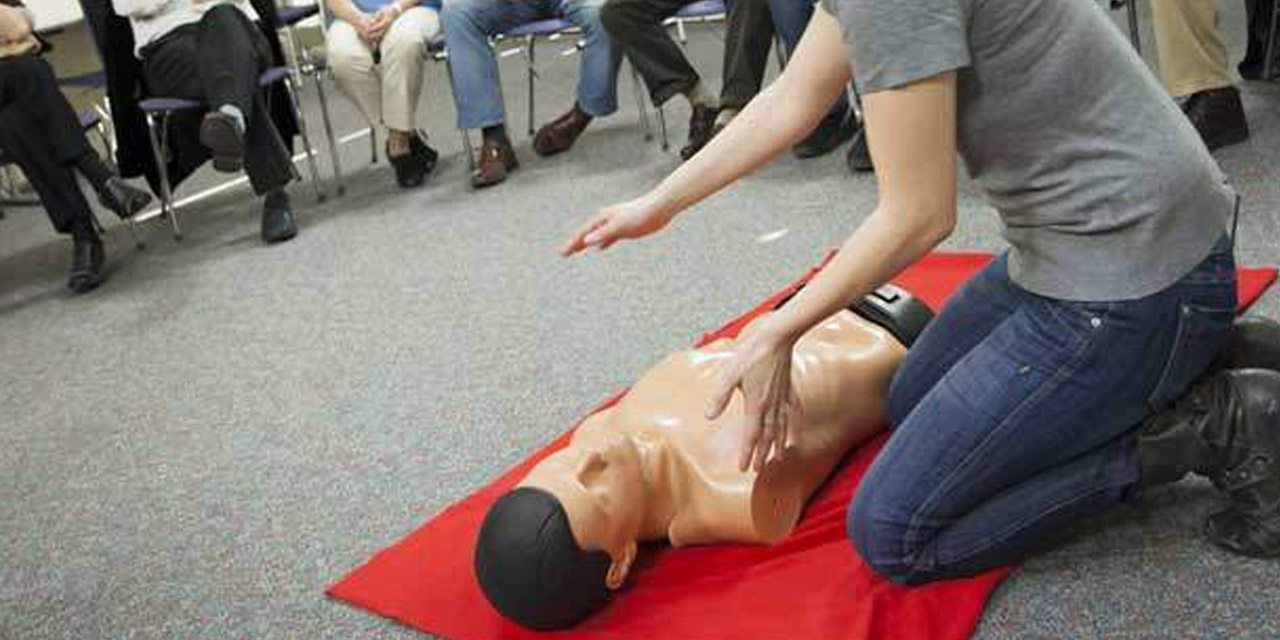
Practical simulation of NG tube insertion and care techniques
Learning Outcomes for Nasogastric Tube Insertion Training
On completion of our Nasogastric Tube Insertion training course and self-study workbook, your staff will be able to:
Define the term ‘Nasogastric Tube’
List the clinical indications and contraindications for nasogastric tubes, specifically relating to nutrition and feeding
Describe the insertion and change procedures specific to the device being used
Explain potential complications that might occur in enteral feeding
Outline the care and management required for a nasogastric tub
Summarise Feed and medication administration techniques
Demonstrate competence in nasogastric feeding, care and management
Who is our Nasogastric (NG) Tube Training Course for?
Our NG Tube Insertion course has been designed with healthcare professionals in mind. In particular, those who are required to look after individuals with enteral nutritional needs. We provide training courses for organisations who operate within home care environments, care homes, hospitals, and other clinical-based settings.
Please note, this course is not open to individual delegates. We operate on an organisational level, ensuring the specific training needs of employees in an organisation are met throughout the duration of the course.