




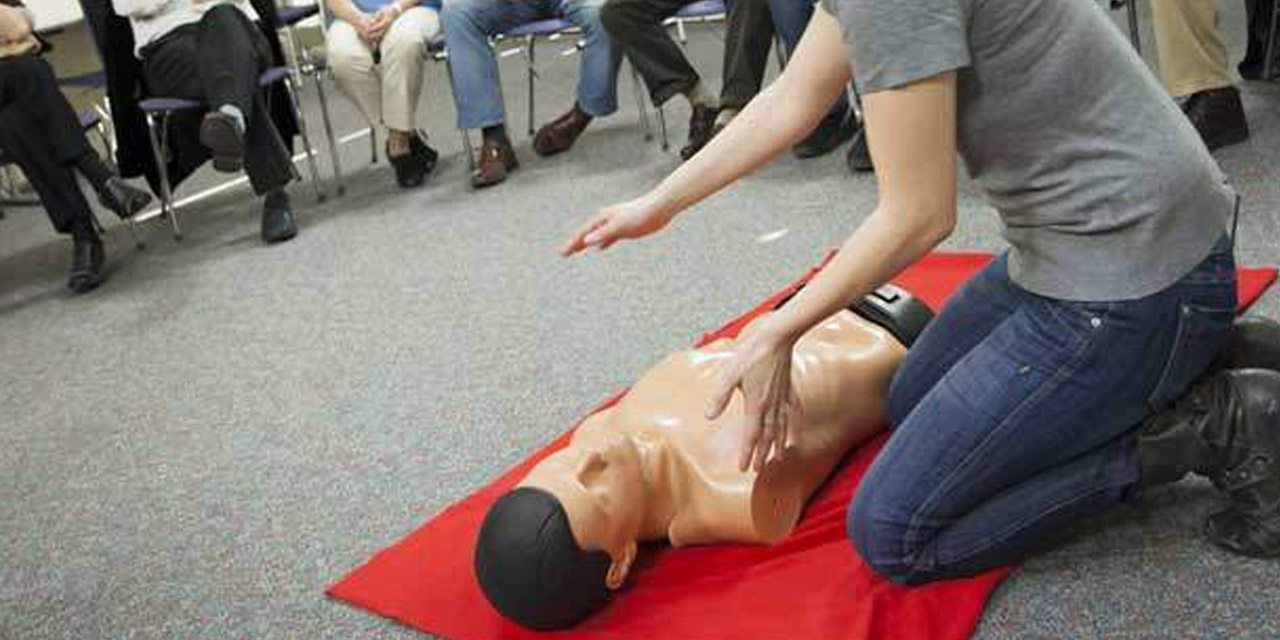



Aspiration and Choking Training
Our course is designed to equip participants with essential knowledge and skills related to recognising, responding to, and managing incidents of aspiration and choking.
View Course



When excessive or prolonged pressure or friction damages an area of the skin beneath the surface, pressure ulcers are formed. An extremely common and often very painful affliction, it is in fact entirely possible to prevent most pressure sores from appearing in the first place with the appropriate preventative measures.
Our Pressure Area Care focuses on the various ways and means by which ulcers can be prevented outright and effectively treated where such sores occur. Delegates are guided through the subject from the very simplest level, making the course ideal for those with little or no existing knowledge of pressure sores.

Pressure Ulcers (also referred to as pressure sore, or damage) has devastating effects and suffering on the patient / service user, their family and care workers; not to mention the additional costs of treatment and management of. To prevent this, members of the care workforce need accurate and evidence based training that will make a difference to their practice. Contact our friendly team today to discuss your training needs.
Our course is designed to equip participants with essential knowledge and skills related to recognising, responding to, and managing incidents of aspiration and choking.
Our Infection Prevention and Control training course will provide delegates with an understanding of the importance of why we need to have infection control measures implemented in the workplace.
The signs of substance abuse are identified within this training course, alongside the methods of developing appropriate interpersonal communication skills, and what to do in a crisis.
Delivering the highest possible care standards for dementia patients / service users takes a very specific skill set and a deeper understanding of the condition itself – precisely what our Dementia Awareness Training course has been designed to begin building.