








The Importance of Effective Tracheostomy Care Training
A tracheostomy can be life-saving, but it can also affect everyday activities that many of us take for granted, including speaking, eating, drinking and communicating.
For the person living with a tracheostomy, feeling safe often depends on the people around them knowing what to do. Staff must be able to provide routine care confidently, recognise when something has changed and respond quickly if there is an emergency.
Effective tracheostomy care training gives health and social care professionals the knowledge and practical skills they need to provide safe, respectful and person-centred support.
What Is a Tracheostomy?
A tracheostomy is an opening, known as a stoma, created through the front of the neck into the trachea or windpipe. A tracheostomy tube is normally placed through the opening to help maintain the person’s airway.
Someone may need a tracheostomy to:
- Bypass an obstruction in their upper airway
- Support prolonged mechanical ventilation
- Help them gradually wean from a ventilator
- Assist with the management of respiratory secretions
- Support their airway following certain head or neck procedures
- Help protect or maintain their airway when their cough is weak or ineffective
A tracheostomy may be temporary or provide longer-term airway support. The care required will depend on the person’s health, the reason for their tracheostomy, the type of tube in place and whether they need additional respiratory support.
The NHS tracheostomy guidance provides further information about the procedure and its potential complications.
Why Is Tracheostomy Care Training Important?
A person’s condition can deteriorate quickly if their tracheostomy tube becomes blocked or displaced. Staff must understand what is normal for the person and be able to identify early signs of a problem.
Potential complications include:
- Partial or complete tube obstruction
- Accidental displacement or removal of the tube
- Thick or difficult-to-clear secretions
- Bleeding
- Infection or skin damage around the stoma
- Breathing difficulties
- Aspiration or swallowing problems
- Tracheal injury
- Problems associated with the cuff, where one is present
Training should prepare staff for routine care as well as less frequent but potentially life-threatening emergencies.
Understanding Different Tracheostomy Tubes
Tracheostomy tubes are available in different sizes and designs. They may be:
- Cuffed or uncuffed
- Fenestrated or non-fenestrated
- Single or double cannula
- Used with or without mechanical ventilation
- Fitted with additional features, such as a subglottic suction port
The components present will depend on the tube. For example, only a cuffed tube will have a cuff and pilot balloon, while only a double-cannula tube will contain a removable inner cannula.
Staff should understand the specific tube used by the person they support. This includes knowing its type and size, whether a cuff is present, how it is secured and what emergency equipment must remain available.
This information should be clearly documented in the person’s care plan, bedside information and tracheostomy passport where one is used.
Maintaining a Clear Airway
A tracheostomy bypasses the nose and mouth, which would normally warm, filter and humidify the air we breathe. Without adequate humidification, respiratory secretions can become thick and difficult to clear, increasing the risk of tube obstruction.
Depending on their role, staff may need to understand:
- The purpose of humidification
- How to recognise thick or increasing secretions
- The person’s normal breathing pattern
- Safe secretion-management techniques
- When suction may be required
- How to identify signs of respiratory distress
- When and how to seek clinical assistance
Tracheal suction should only be performed by someone who has received appropriate training, has demonstrated competence and is authorised to undertake the procedure.
Inner Cannula Care
Some tracheostomy tubes contain a removable inner cannula. Secretions can collect inside it and reduce airflow, so regular inspection and care are essential.
How often an inner cannula is inspected, cleaned or replaced will depend on:
- The type of tube
- The amount and thickness of the person’s secretions
- The manufacturer’s instructions
- The person’s tracheostomy care plan
- Local clinical policy
Staff should never rely on a general timetable. They must follow the instructions for the specific tube and the needs of the person.
Stoma and Skin Care
The skin around the tracheostomy should be kept clean and observed regularly. Staff should look for:
- Redness or swelling
- Pain or tenderness
- Discharge or an unusual smell
- Bleeding
- Moisture damage
- Pressure damage
- Changes in the appearance of the stoma
Dressings and securing devices must be managed carefully. A tube that is not secured correctly may move or become displaced, while ties or holders that are too tight can cause discomfort and skin damage.
Any change from the person’s normal presentation should be documented and escalated in accordance with their care plan.
Supporting Communication
Communication is a fundamental part of dignified tracheostomy care.
Some people can speak normally or with some adjustment, while others may need a speaking valve or an alternative form of communication. The ability to speak depends on factors such as the tube type, cuff status, upper-airway patency, respiratory function and the person’s underlying condition.
A speaking valve should only be used following an appropriate assessment. If the person has a cuffed tube, the cuff must be completely deflated before a speaking valve is fitted. Using a speaking valve with an inflated cuff can prevent the person from breathing out and create a life-threatening emergency.
The National Tracheostomy Safety Project guidance on speaking valves provides further safety information.
Where speech is difficult, staff should agree an accessible method of communication with the person. This might include:
- Writing materials
- Picture or alphabet boards
- Electronic communication aids
- Lip-reading
- Hand signals or agreed gestures
- Simple yes-and-no questions
A person who cannot speak may still understand everything being said and remain fully able to make decisions. Staff should speak directly to them, allow enough time for a response and involve them in conversations about their care.
Eating, Drinking and Swallowing
Many people with a tracheostomy can eat and drink safely. Others may experience swallowing difficulties or an increased risk of aspiration.
The person may require assessment by a speech and language therapist, with additional input from nursing, medical and dietetic professionals. Staff must follow the individual eating, drinking and swallowing plan, including any recommendations about positioning, food texture, drink consistency, supervision or alternative nutrition.
Possible warning signs include:
- Coughing or distress during meals
- Changes in breathing
- Wet or altered vocal quality
- Food or fluid appearing in tracheal secretions
- Repeated chest infections
- Reduced oxygen saturation
- Difficulty managing saliva
Concerns should be reported promptly rather than making unassessed changes to the person’s food or drink.
Providing Reassurance and Preserving Dignity
Living with a tracheostomy can be frightening and frustrating. The person may feel anxious about their breathing, struggle to make themselves understood or depend on others for intimate aspects of their care.
Staff can make the experience less distressing by:
- Introducing themselves and explaining what they are going to do
- Agreeing how the person will communicate
- Protecting privacy
- Offering choices wherever possible
- Allowing enough time for questions and responses
- Avoiding conversations over or around the person
- Recognising anxiety and providing calm reassurance
- Encouraging independence where it is safe to do so
Technical ability matters, but so does the way care is provided.
Preparing for a Tracheostomy Emergency
A blocked or displaced tracheostomy tube can become life-threatening within a short time. Staff should know how to recognise an emergency, summon appropriate help and follow the person’s emergency care plan.
Emergency equipment should be immediately available and appropriate for the person’s airway. This may include spare tubes, suction equipment, oxygen-delivery equipment and the items identified in local policy and the individual care plan.
Staff should be familiar with the National Tracheostomy Safety Project emergency algorithms. Emergency procedures should also be practised through realistic scenarios so that staff can respond calmly and effectively.
Tracheostomy and Laryngectomy Airways
Staff must understand the difference between a tracheostomy and a total laryngectomy.
A person with a tracheostomy will normally retain a connection between their lungs, mouth and nose, although their airflow may be altered.
Following a total laryngectomy, the person’s lungs are no longer connected to their mouth or nose. They breathe entirely through the permanent opening in their neck.
This distinction is critical during an emergency. Oxygen or ventilation delivered only to the face will not reach the lungs of a person who has had a total laryngectomy. Clear bedside information and the correct emergency algorithm must be available.
What Should Tracheostomy Care Training Cover?
Course content should reflect the learners’ roles and the needs of the people they support. Comprehensive tracheostomy care training may include:
- Relevant anatomy and physiology
- Reasons for a tracheostomy
- Different tube types and components
- Person-centred communication
- Consent, mental capacity and dignity
- Humidification and secretion management
- Suction principles and safe practice
- Inner cannula care
- Stoma, skin and dressing care
- Tube positioning and security
- Cuff awareness and management
- Speaking valves and communication aids
- Eating, drinking and swallowing
- Infection prevention and control
- Recognising tube obstruction and displacement
- Accidental decannulation
- Emergency equipment and procedures
- Tracheostomy emergency algorithms
- The difference between tracheostomy and laryngectomy
- Documentation and escalation
- Professional boundaries and scope of practice
Paediatric tracheostomy care and support for people receiving mechanical ventilation may require additional specialist training.
How Should Tracheostomy Care Training Be Delivered?
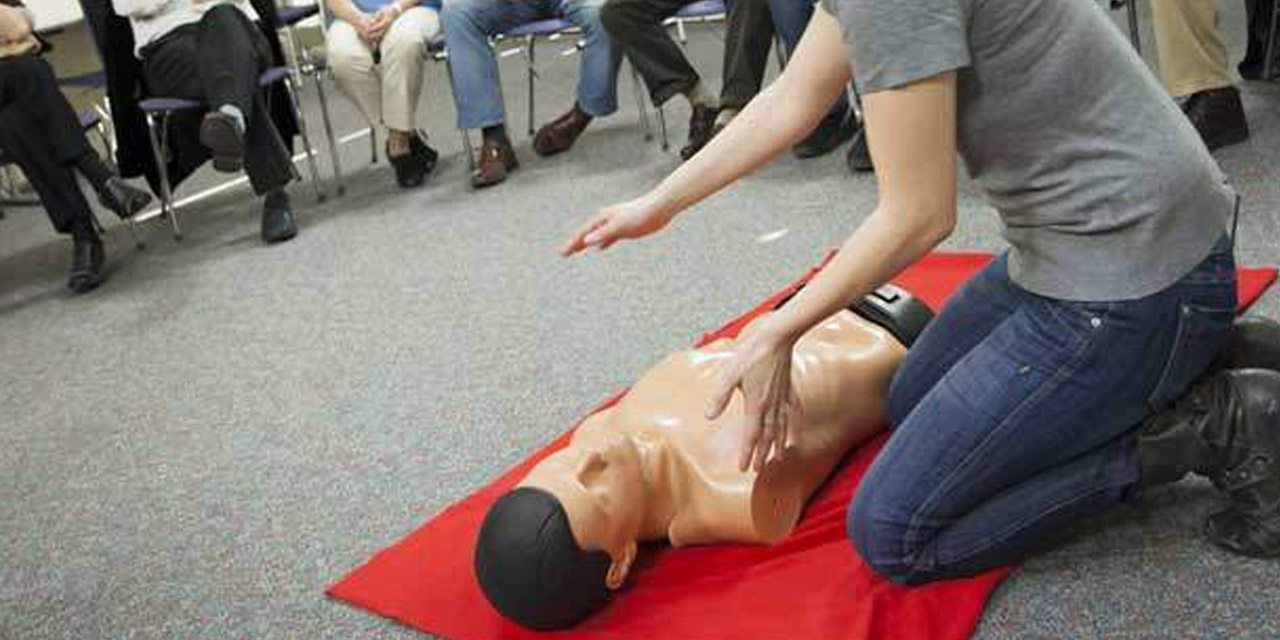
Online learning can provide useful underpinning knowledge, but practical tracheostomy skills and emergency responses should also be demonstrated, practised and assessed.
A blended approach may include:
- Pre-course e-learning
- Trainer-led teaching and discussion
- Equipment demonstrations
- Supervised practical exercises
- Emergency simulations
- Scenario-based problem-solving
- Knowledge assessment
- Observed practical assessment
This allows learners to understand the principles, practise the required skills and apply their knowledge to realistic situations.
Training should also be tailored to the care environment. Staff working in a hospital, hospice, care home or person’s own home may have different responsibilities, equipment and escalation arrangements.
From Training to Workplace Competence
Completing a tracheostomy care course provides important knowledge and practical preparation. Employers must then ensure that staff are competent and authorised to perform the procedures required in their role.
This may involve:
- Supervised workplace practice
- Assessment using the relevant equipment
- Person-specific instruction
- Observation by an appropriate assessor
- Review of emergency procedures
- Ongoing supervision and competency reassessment
The National Tracheostomy Safety Project competency framework can help organisations plan role-appropriate training and assessment.
Guardian Angels Tracheostomy Care Training
The Guardian Angels Tracheostomy Care Training course is suitable for health and social care professionals who support people with a tracheostomy.
The course uses a blended approach, combining essential theory with trainer-led practical learning. It can be tailored to reflect learners’ roles, the care setting and the equipment they are likely to encounter.
Training supports staff to:
- Understand tracheostomy equipment and care
- Provide safe, person-centred support
- Recognise potential complications
- Respond appropriately to concerns
- Understand emergency procedures
- Work within their responsibilities and level of competence
Course completion should be supported by workplace competency assessment and person-specific instruction where staff will provide direct tracheostomy care
Arrange Tracheostomy Care Training
Effective tracheostomy care training helps staff provide safer, more confident and more compassionate support. It prepares them for routine care, improves their ability to recognise concerns and gives them the opportunity to practise responding to an emergency.
To discuss training for your team, visit our Tracheostomy Care Training course page or contact Guardian Angels for further information.
Frequently Asked Questions
Who should attend tracheostomy care training?
Training may be suitable for nurses, nursing associates, healthcare assistants, support workers, care-home staff, home-care professionals and personal assistants who support someone with a tracheostomy.
Can tracheostomy care training be completed online?
Theoretical content can be delivered online, but staff undertaking practical care should also receive appropriate practical instruction and assessment.
Does a course certificate confirm workplace competence?
A certificate confirms successful course completion. Workplace competence should also be assessed against the person’s needs, the equipment used and the procedures the staff member is expected to perform.
Can a person with a tracheostomy speak?
Many people can speak, but this depends on their tube, cuff status, upper airway, respiratory function and clinical condition. Some people may require specialist assessment or a speaking valve.
Can someone with a tracheostomy eat and drink?
Many people can eat and drink safely. Others require an individual swallowing assessment and eating and drinking plan.
How often should tracheostomy training be refreshed?
Guardian Angels tracheostomy care certification is normally valid for two years. Earlier refresher training or reassessment may be needed if equipment, responsibilities or the needs of the person change, or following an incident or significant gap in practice.