This course focuses on emergency protocols, first aid techniques, communication strategies, and coordination efforts vital for ensuring the safety and well-being of care home residents.
For anyone looking to begin a career in care, or in any healthcare profession, this course provides essential training.
During our course, participants will:
Review Emergency Protocols: Refresh their understanding of care home emergency medical procedures and protocols.
Enhance Communication Skills: Emphasise the importance of clear and concise communication during emergencies to facilitate seamless coordination among care home staff, residents, and external responders.
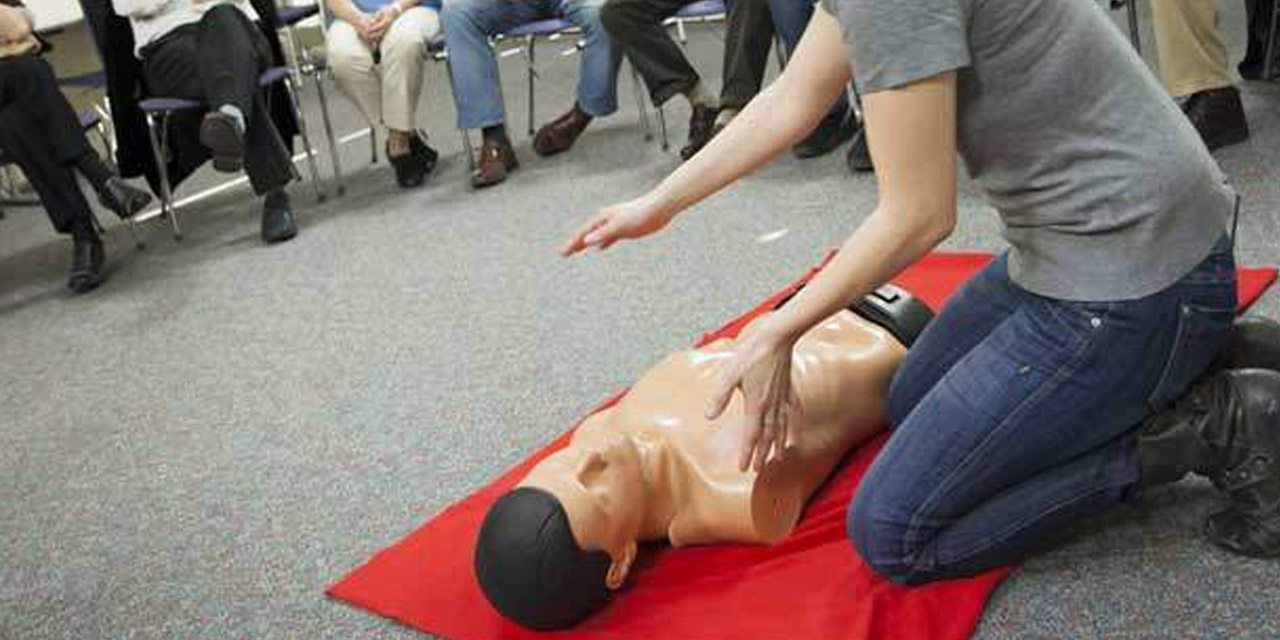
First Aid Skills: Update their first aid skills and knowledge of basic medical assistance techniques, enabling them to provide immediate care to residents before professional help arrives.
Special Needs Consideration: Address the unique needs of care home residents during emergencies, including individuals with disabilities, cognitive impairments, or specific medical conditions.
Crisis Management: Learn effective crisis management techniques, including stress and anxiety management for both residents and staff, to maintain a sense of calm and order during high-stress situations.
Hazard Recognition: Understand potential hazards within the care home environment and acquire skills to identify and mitigate common risks that could lead to emergencies.
Team Collaboration: Develop the ability to work efficiently as a team, delegate responsibilities, and make informed decisions under pressure during emergencies.
Regulatory Compliance: Stay up to date with relevant regulations and standards related to emergency preparedness and response in care home settings.
Scenario-based Training: Engage in practical exercises and simulated scenarios to apply knowledge and skills in realistic emergency situations, thereby boosting confidence and readiness.
Participant proficiency will be assessed through:
Once the assessment has been passed, the participant will be awarded a certification of achievement in “Emergency Response Refresher for Care Homes”.