Specialist Complex Care Training for Adults and Children
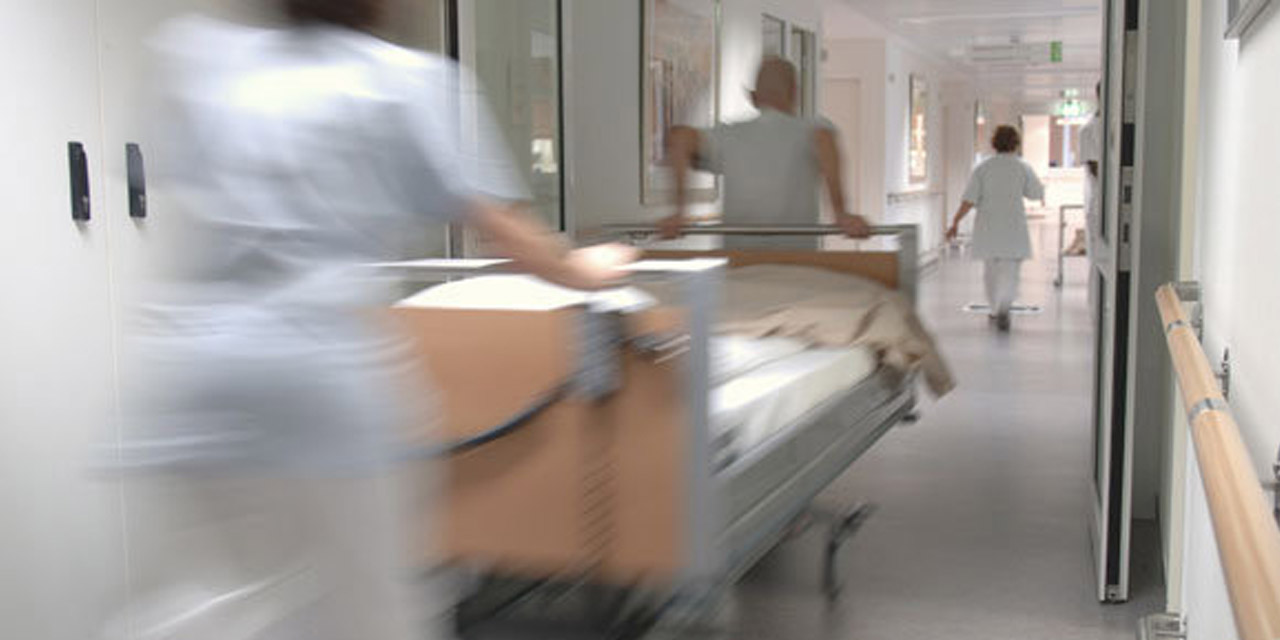
In the past, many people with complex clinical needs would have received much of their care in hospital. Today, with increased pressure on hospital services and a stronger focus on person-centred care, many people are supported safely within community and care settings.
This means care staff, support workers, healthcare assistants, nurses, personal assistants, family carers, and wider support teams often need specialist complex care training. They must feel confident, competent, and safe when supporting people with clinical care needs.
Our Complex Care Training Course can be tailored to the person, the care setting and the clinical skills required. We provide flexible training and competency assessment packages for individual employers, case managers, home care providers, residential services, nursing homes, schools, supported living services, and other care organisations.
Why Complex Care Training Matters
Complex care involves supporting people who have significant health, physical, neurological, respiratory, nutritional or personal care needs. These needs may be present from birth, develop over time, or occur following illness, injury, surgery or trauma.
People receiving complex care may require support with one or more specialist areas, including:
Dysphagia and safer eating and drinking
IDDSI food and fluid modification
PEG, PEJ or gastrostomy feeding
Moving and handling linked to complex physical needs
Because these needs can be highly individual, staff must understand more than the task itself. They need to know why the care is required, how to carry it out safely, what risks to look for, when to stop, when to escalate concerns, and how to document care clearly.
Poorly delivered complex care can place a person at serious risk. High-quality training, followed by supervised practice and workplace competency assessment, helps ensure care is safe, consistent and person-centred.
Our Approach to Complex Care Training
Our complex care training is designed to give care teams the knowledge, practical skills and confidence needed to support people safely.
We do not believe complex care training should be a generic “one size fits all” course. Every person is different, and every care setting has different responsibilities, equipment, policies and escalation procedures.
That is why our training can be tailored around:
The person’s clinical and social care needs
The experience level of the staff team
Existing care plans and risk assessments
Local policies and escalation pathways
The level of practical skill and competency required
For example, if a team already has good knowledge of PEG feeding but needs more support with suctioning, assisted cough, safer eating and drinking or autonomic dysreflexia, the course can be adjusted to focus on the areas most relevant to them.
Training is delivered by experienced healthcare professionals and specialist trainers who understand the realities of delivering care in community, residential and care settings.
Complex Care Training Modules
Our complex care training package can include one or more of the following modules, depending on the needs of the person and service.
1. Airway and Respiratory Care
Assisted Cough Training
This module supports staff to understand when assisted cough may be required and how it can be used safely as part of a person’s respiratory care plan.
Learning areas include:
- Basic anatomy and physiology of the respiratory system
- Why assisted cough may be needed
- Indications and contraindications for assisted cough
- The procedure for assisted cough
- Risks and safety considerations
- Monitoring the person before, during and after care
- When to stop and seek further clinical advice
Non-Invasive Ventilation Training
This module is suitable for teams supporting individuals who use non-invasive ventilation in a community or care setting.
Learning areas include:
- The mechanics of breathing and respiration
- Recognising respiratory distress
- Why non-invasive ventilation may be prescribed
- The role of NIV in respiratory failure
- Indications, contraindications and patient selection
- Understanding prescribed settings, including IPAP and EPAP
- Equipment checks, cleaning and maintenance
- Supporting compliance and comfort
- Oxygen entrainment, where prescribed
- Monitoring, documentation and escalation
- Troubleshooting common problems
- Emergency actions and reporting concerns
Tracheostomy Training
This module supports staff who care for individuals with a tracheostomy.
Learning areas include:
- What a tracheostomy is and why it may be required
- Types of tracheostomy tubes
- Routine tracheostomy care
- Stoma care and dressing changes
- Cleaning and changing an inner cannula
- Tracheostomy suction awareness
- Recognising and managing complications
- Emergency response and escalation
- Resuscitation considerations for a person with a tracheostomy
- Infection prevention and control
- Privacy, dignity, consent and documentation
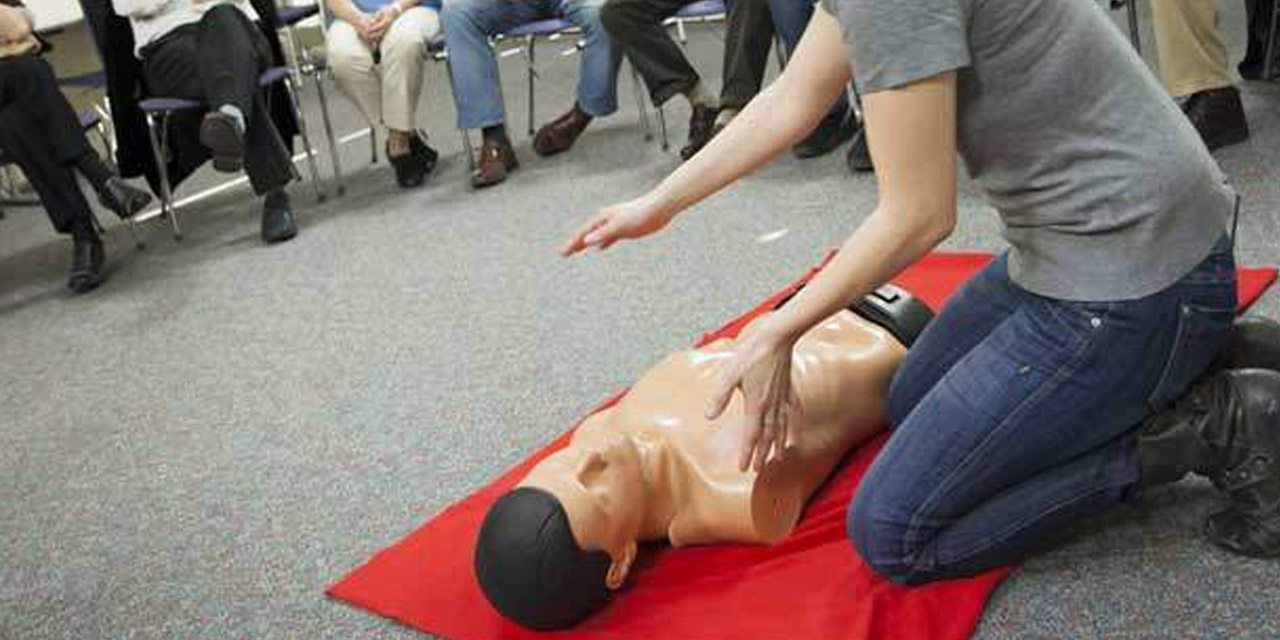
- Practical skills using appropriate training equipment or mannequins
Suctioning Training: Oral, Nasal and Tracheal Suction
This module is designed for staff who may need to support people with oral, nasal or tracheostomy suctioning.
Learning areas include:
- Anatomy and physiology of the upper airway and respiratory system
- Why suctioning may be required
- Indications for oral, nasal and tracheal suctioning
- Contraindications, risks and precautions
- Equipment required for safe suctioning
- Infection prevention and control
- Evidence-based suctioning procedure
- Observations and monitoring
- Emergency management
- Consent, best interests and legal considerations
- Care planning and documentation
2. Neurological and Condition-Specific Complex Care
Acquired Brain Injury and Spinal Cord Injury Training
This module supports staff to understand the impact of acquired brain injury and spinal cord injury on the person’s health, independence, communication, behaviour and daily life.
Learning areas include:
- The brain, spinal cord and central nervous system
- Types and causes of acquired brain injury
- Types and causes of spinal cord injury
- Physical effects of ABI and SCI
- Cognitive, emotional and psychological effects
- Social impact and changes to independence
- Communication and behavioural changes
- Practical support strategies
- Promoting dignity, independence and quality of life
- Risk awareness and escalation
Autonomic Dysreflexia Training
This module is important for staff supporting people with spinal cord injuries who may be at risk of autonomic dysreflexia.
Learning areas include:
- What autonomic dysreflexia is
- Who is at risk
- Common triggers and causes
- Why autonomic dysreflexia is a medical emergency
- Signs and symptoms to recognise
- Immediate actions and escalation
- Medication awareness, where prescribed
- Key care planning implications
- Prevention and risk reduction
People Handling and Manual Handling for Complex Care
This module focuses on safe moving and handling for individuals with acquired brain injury, spinal cord injury or complex physical disabilities.
Learning areas include:
- Anatomy and physiology relevant to moving and handling
- Manual Handling Operations Regulations
- LOLER awareness
- Care planning and risk assessment
- Principles of safe handling
- Ergonomics, biomechanics and posture
- Person-centred moving and handling
- Hoists, slings and specialist equipment
- Chairs, beds, wheelchairs and bathing equipment
- Maintaining dignity and reducing distress
- Practical handling techniques relevant to the setting
Pressure Area Care and Tissue Viability Training
This module supports staff to prevent, recognise and respond to pressure damage.
Learning areas include:
- What pressure ulcers are
- Who is at risk
- Causes of pressure damage
- Pressure areas of the body
- Early warning signs
- Stages/categories of pressure ulcers
- Repositioning and pressure relief
- Skin checks and documentation
- Equipment and care planning
- When to report concerns
- Supporting nutrition, hydration and comfort
3. Elimination, Bowel and Bladder Care
Bowel Management Training Following Spinal Cord Injury
This module supports staff who assist individuals with bowel care following spinal cord injury.
Learning areas include:
- Normal bowel function
- How spinal cord injury can affect bowel function
- Flaccid and reflex/spastic bowel
- The importance of maintaining a bowel regime
- Medication awareness for bowel management
- Digital rectal stimulation
- Digital removal of faeces/manual evacuation, where included in the person’s care plan
- Consent, dignity and privacy
- Infection prevention and control
- Recognising complications
- Documentation and escalation
Catheter Care Training
This module is suitable for staff supporting individuals with urinary catheters, including people with spinal cord injury, acquired brain injury or other complex care needs.
Learning areas include:
- Why urinary catheters are used
- Types of catheter and drainage systems
- Routine catheter care
- Preventing urinary tract infection
- Catheter hygiene and infection prevention
- Monitoring urine output and concerns
- Obtaining urine specimens, where required
- Awareness of catheter removal procedures
- Recognising blockage, bypassing or infection
- Documentation and escalation
4. Safer Eating, Drinking and Nutrition Support
Dysphagia and Safer Eating and Drinking Training
This module supports staff to understand swallowing difficulties and how to reduce the risk of choking, aspiration, malnutrition, dehydration and avoidable distress during meals and drinks.
It is suitable for staff supporting adults or children who have dysphagia, neurological conditions, learning disabilities, dementia, physical disabilities, acquired brain injury, spinal cord injury, respiratory conditions or other complex care needs that affect eating and drinking.
Learning areas include:
- What dysphagia is
- Common causes of swallowing difficulties
- Signs and symptoms of dysphagia
- Choking, aspiration and silent aspiration
- The difference between choking risk and aspiration risk
- The role of speech and language therapy
- Understanding eating and drinking care plans
- Safe positioning for meals and drinks
- Supporting people who require assistance to eat or drink
- Pacing, prompting and supervision
- Recognising fatigue, distress or deterioration during meals
- When to stop and escalate concerns
- Documentation and reporting changes
IDDSI Training: Food and Fluid Modification
This module supports staff to understand and follow IDDSI guidance where a person requires modified food or thickened fluids.
Learning areas include:
- What IDDSI is and why it is used
- Understanding IDDSI food and drink levels
- Thickened fluids and modified diets
- Why texture and consistency matter
- Risks of giving the wrong food or fluid level
- Practical IDDSI testing and checking, where appropriate
- Reading and following eating and drinking care plans
- Avoiding unsafe substitutions
- Supporting choice while maintaining safety
- Recording and reporting concerns
- Escalation where food or fluid appears unsafe or inconsistent with the care plan
Choking Awareness and Emergency Response
This module supports staff to recognise choking and respond in line with their training, local policy and the person’s care plan.
Learning areas include:
- Common choking risks in complex care
- Choking risks linked to dysphagia, posture, fatigue and impulsive eating
- Choking risks for people using wheelchairs or specialist seating
- Recognising partial and complete airway obstruction
- When to call for emergency help
- Responding safely within the person’s care plan and organisational policy
- Post-incident monitoring and reporting
- The importance of reviewing eating and drinking support after a choking incident
Enteral Nutrition Training: PEG, PEJ and Gastrostomy Feeding
This module is suitable for staff supporting individuals who receive nutrition, fluids or medication through a feeding tube.
Learning areas include:
- What enteral feeding is
- Why PEG, PEJ, gastrostomy or jejunostomy feeding may be required
- Different types of feeding tubes
- The role of the dietitian, nurse and wider clinical team
- Understanding the person’s feeding plan
- Bolus feeding, pump feeding and continuous feeding awareness
- Equipment checks and safe setup
- Feed storage, handling and expiry checks
- Stoma site care and skin checks
- Infection prevention and control
- Flushing, hydration and tube blockage prevention
- Medication administration through feeding tubes, where within role and care plan
- Recognising complications, including leakage, redness, pain, blockage, vomiting, coughing, distress or tube displacement
- When to stop feeding and escalate concerns
- Documentation and reporting
Nutrition, Hydration and Mealtime Support in Complex Care
This module supports staff to promote safe, dignified and person-centred nutrition and hydration.
Learning areas include:
- Recognising poor intake, dehydration and weight loss
- Supporting nutrition and hydration care plans
- Monitoring intake and output where required
- Supporting people with fatigue, sensory needs or communication difficulties
- Promoting dignity, choice and independence
- Working with families and multidisciplinary teams
- Recording intake accurately
- Escalating concerns about reduced intake, swallowing changes or repeated chest infections
Competency Assessment and Certification
Complex care training should not end with classroom learning alone. Staff need to be assessed in practice to ensure they can apply knowledge safely and competently.
We provide competency assessment documentation to support safe, evidence-based clinical practice after training. This allows the registered provider, employer or care organisation to complete workplace competency assessments using a nominated mentor, supervisor or competent assessor.
Where required, we can also provide a registered nurse trainer to complete onsite competency assessments. This can be helpful for providers who need additional clinical oversight or who do not yet have a suitable internal assessor.
Competency assessment can include:
- Observation of practical skills
- Questioning and professional discussion
- Review of documentation
- Scenario-based assessment
- Confirmation of safe practice in the workplace
- Identification of any further training or supervision required
Certificates can be issued following completion of training, with competency assessment completed separately where required.
Who Is Complex Care Training For?
Our Complex Care Training Course is suitable for care teams and support networks working with adults or children who have complex health needs.
This may include:
- Care workers
- Support workers
- Healthcare assistants
- Senior carers
- Nurses
- Personal assistants
- Family carers
- Residential care staff
- Nursing home staff
- Supported living staff
- Home care teams
- School and college support teams
- Case management teams
We work with a wide range of organisations and commissioners, including:
- NHS Trusts
- Integrated Care Boards
- Local authorities
- Social care providers
- Education and school services
- Case management providers
- Insurance companies and solicitors
- Individual employers
- Personal Health Budget teams and brokers
- Families arranging care for a loved one
Tailored Complex Care Training for Your Service
Every complex care package is different. We can help you build a training programme around the person, the care team and the setting.
Whether you need a single clinical module, a full complex care training package, practical skills training, competency documentation, or onsite competency assessment, we can tailor the course to meet your needs.
To discuss your complex care training requirements, please get in touch with our team.