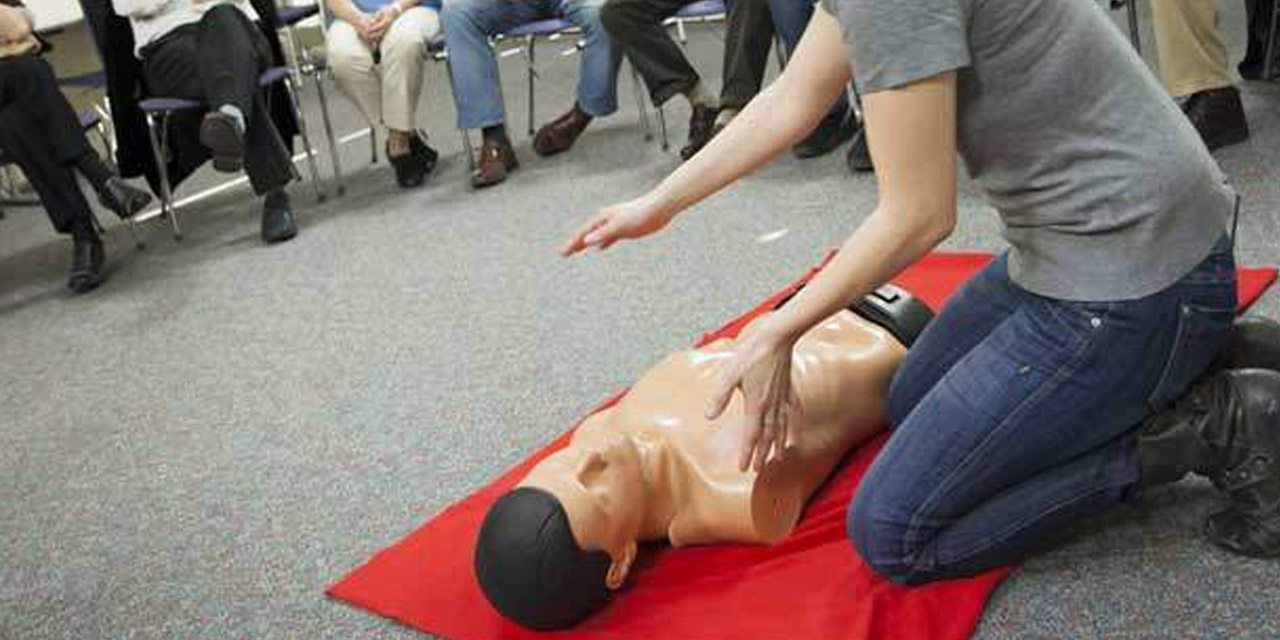
To help alleviate the strain, healthcare assistant practitioners are used. As the name suggests, they assist registered practitioners with their tasks, so the latter can focus more on quality of care.
To become a healthcare assistant practitioner, training is needed. That’s where we come in; our healthcare assistant practitioner training course is one of the best available, and is vital for organisations who are looking to optimise their workflow.
The Importance of Healthcare Assistant Practitioner Training
Healthcare assistant practitioners are required in a range of settings from care homes, home care and in hospitals.
The tasks that an assistant practitioner will be required to carry out will vary from patient to patient, and organisation to organisation. Duties will be delegated by the registered practitioner depending on the needs of patients and service users.
This means that assistant practitioners may be asked to carry out anything from medication administration to venepuncture. As a result, they need a wide variety of skills, and the ability to learn quickly if there is a gap in their knowledge.
Thanks to our advanced training course, delegates can learn a number of valuable skills, including the best methodologies and approaches to care, to equip them for a role as an assistant healthcare practitioner.
Our Healthcare Assistant Practitioner Training Course
We offer 3 main variations of the Healthcare Assistant Practitioner training programme:
- Care Home (CHAPs)
- Home Care
- Complex Care
All of our training programmes are completely bespoke; programmes will be adapted as such to suit your organisational needs. As all of our courses are taught by practicing professionals, you can be sure that we only provide the latest insights and resources, and can answer any questions delegates may have.
During this course, delegates will:
Be interviewed for the role by Care Provider
Be assigned a local mentor (NMC Registered Nurse)
Be assigned an academic tutor (Guardian Angels Training)
Attend all virtual learning sessions
Attend all practical face-to-face OSCE sessions
Complete reflective practice with nurse supervisor and academic tutor
On completion of the programme, including all virtual and face to face OSCE sessions, individuals will then be assessed to ensure that they are able to fulfil the duties of their new role competently and safely.
Healthcare Assistant Practitioner Training Course Breakdown
Here is the typical syllabus for these courses. Please keep in mind that they will vary depending on which course you have selected for your organisation.
Virtual Learning Sessions
There are 12 sessions in total (including the final exam), all must be completed in order to receive certification.
Session 1
Reflective learning and professional development
Policies, procedures, responsibility and accountability
Working within your own professional competency
Record Keeping & Communication
Session 2
Holistic Health and wellbeing
The aging process and associated medical conditions
Session 3
ABCDE, Clinical Observations and National Early Warning Score (NEWS)
Session 4
Medication Administration & Management Part 1
Session 5
Medication Administration & Management Part 2
Session 6
Tissue Viability: Wound Care, Dressings, & Pressure Relief
Session 7
Session 8
Catheterisation and catheter care
Session 9
Blood Sugar Monitoring and Insulin Administration
Session 10
Session 11
Enteral Tube Care and Feeding (PEG/PEJ etc.)
Session 12
Practical face-to-face (OSCE) Sessions
This part of the course contains two in-depth sessions that must be completed face-to-face, as practical learning and demonstration is essential.
Session 1
Infection prevention and control
Medicine Management including medication administered into the eye, ear, nose, or inhaled into the lungs
Session 2
Enteral Tube Care and Feeding
Healthcare Assistant Practitioner Training Course Assessment
To receive their accreditation, delegates will need to:
Complete all virtual learning assessments
Complete all workplace supervision and competencies
Complete CHAPS Portfolio of Evidence
Create reflective accounts
Provide service user feedback
We will also provide the necessary competency proformas required to ensure safe and evidenced-based clinical practice following completion of our training courses. This will then allow the registered provider to ensure mandatory competency assessments are completed within the workplace by a nominated mentor/supervisor.
We can also assist with competency assessments, sending one of our registered nurse trainers to complete it for you.
This course is incredibly beneficial for care providers, as assistant healthcare practitioners are the best way to provide optimal care throughout your organisation. You will also have peace of mind knowing that all delegates received the best training available, and will have the most up-to-date knowledge and skills that they can apply within their role, helping to keep everything running smoothly.