





The Importance of Skills Training for Care Homes
Running a care home means preparing your team for the realities of day-to-day care, not just the predictable parts of the role. Whether your service supports people living with dementia, individuals receiving palliative or end-of-life care, or residents with complex clinical needs, your staff need the right knowledge, confidence, and practical skills to respond safely and effectively.
High-quality care home training helps close skills gaps, refresh existing knowledge and ensure care professionals remain up to date with current best practice. It also supports safer delegation, better clinical decision-making, and more consistent person-centred care.
At Guardian Angels Training, our care home training courses are designed to help services build capable, confident teams who can deliver safe, compassionate, and effective care in real-world settings.
Where appropriate, we may also be able to include LDSS-eligible qualifications within the training package, helping care providers access the benefits of fully funded qualification delivery, subject to LDSS set-up requirements and eligibility checks.
Why Care Home Professionals Need Ongoing Training
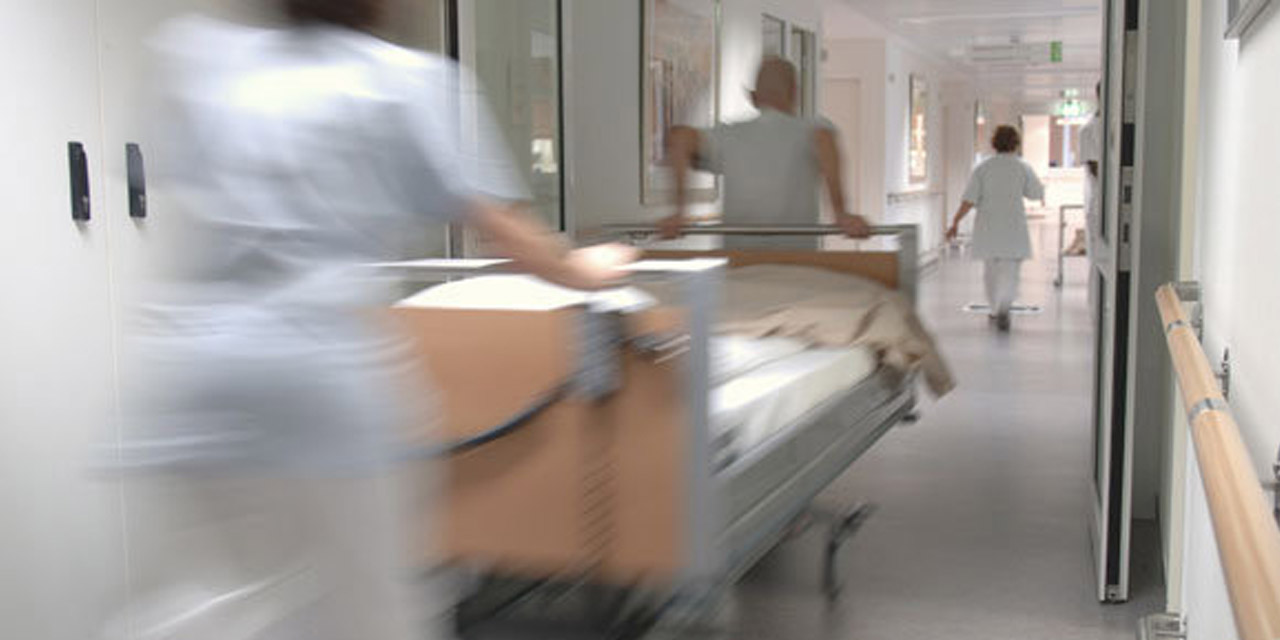
Care homes are busy, changing environments. While many residents have established care routines, their needs can change quickly. A person’s health may deteriorate, requiring more complex support, closer monitoring or a different approach to care. In other cases, a resident may improve and need support to regain independence, confidence and daily living skills.
New residents also bring new care needs. For example, if someone moves into the home with a catheter, staff supporting that person must understand safe catheter care, infection prevention, documentation, and when to escalate concerns. If the team does not already have this knowledge, training should be arranged promptly.
Even experienced staff can benefit from refresher training. Clinical guidance, care standards and best practice continue to evolve. What was considered acceptable several years ago may no longer reflect current expectations. Regular training helps care providers maintain compliance, improve safety and ensure staff feel confident in their responsibilities.
Clinical Skills Training for Care Providers
When training budgets are limited, it is important to choose courses that give your team the greatest value. Some care providers choose broad, generic training because it appears to cover everything at once. This can be useful for newer or less experienced teams, but it may also include content your staff already know well.
More focused clinical skills training can often be a better option. It allows your team to develop the specific knowledge and practical skills they need for the residents they support. In some cases, this can also be linked to an LDSS-eligible qualification route, allowing the organisation to benefit from funded qualification delivery where all set-up and eligibility requirements are met
Our clinical skills training courses for care homes and health and social care providers include:
- Adrenal Crisis Training
- Airway Suction Training
- Anaphylaxis Training
- Bowel Care Training
- Clinical Observations Training
- Dementia Care Training
- Diabetes and Insulin Training
- Dysphagia and Swallowing Assessments Training
- Ear Care and Microsuction Training
- Epilepsy Awareness Training
- Immunisation and Vaccination Training
- Loss and Bereavement Training
- Nasogastric Feeding and Care Training
- Oxygen Administration Training
- Phlebotomy and Venepuncture Training
- Respiratory Care Training
- Stress Management Training
- Tracheostomy Training
- Urethral Catheterisation and Catheter Care Training
- Verification of Expected Death Training
- Wound Care Training
With so many options available, it is not always easy to know which course is most appropriate. If you are unsure, we can help you identify the most relevant training for your service, your residents and your staff team.
All of our courses can be adapted to meet the needs of your organisation. This means the training can focus on the skills, risks and situations your team are most likely to encounter in practice.
Our training is delivered by experienced practising professionals with strong knowledge of current healthcare standards, clinical practice, and real care environments. This allows the course content to remain practical, relevant and grounded in the realities of care home work.
Where appropriate, tutors can place greater emphasis on specific areas, include relevant case studies and support learners to apply their knowledge to the people they care for.
CHAPs Training for Care Homes
Care homes are often under significant pressure. Staff are expected to provide compassionate personal care, complete documentation, respond to clinical concerns, communicate with families and professionals, and support residents with increasingly complex needs.
When teams are stretched, quality of care can be affected. Staff may feel overwhelmed, residents may not receive the time and attention they need, and the risk of errors or complaints can increase.
This is why many care providers are introducing Care Home Assistant Practitioner roles, often known as CHAPs. CHAPs are trained members of the care team who can support registered professionals and senior staff by taking on appropriate clinical and care-related tasks within their competence.
Introducing CHAPs can help care homes improve efficiency, strengthen the skill mix within the team and support better outcomes for residents. However, the role must be introduced safely, with clear training, supervision, competency assessment and governance.
Our CHAPs training helps delegates develop the clinical knowledge, practical skills and professional understanding needed to support this role effectively. Where suitable, CHAPs development may also be aligned to LDSS-eligible qualification delivery, helping care providers make better use of available workforce development funding, subject to eligibility and set-up requirements.
As with our other care home training courses, the CHAPs training programme can be adapted to your organisation. For example, a dementia care home may want greater focus on dementia support, communication, distressed behaviour, nutrition, hydration and person-centred approaches. A service supporting residents with complex nursing needs may require greater emphasis on clinical observations, escalation, catheter care, diabetes, wound care or end-of-life care.
CHAPs training can be an excellent way to develop your workforce, improve confidence and support safe, sustainable care delivery without cutting corners.
LDSS-Eligible Qualifications and Funded Training Options
Some care home training programmes may be suitable for delivery alongside LDSS-eligible qualifications. This can help eligible care providers access fully funded qualification delivery, reducing the financial pressure of workforce development while still supporting high-quality training and recognised learning outcomes.
This option is subject to LDSS set-up, qualification availability, learner eligibility and provider checks. Where this route is suitable, we can advise on the most appropriate qualification pathway and help you understand what is required before delivery begins.
For care homes, this can be particularly valuable where training is linked to workforce development, role progression, clinical skills development, senior care responsibilities or CHAPs pathways.
Care Home Training That Supports Safer, Better Care
Guardian Angels Training is proud to support care homes across the UK with practical, high-quality health and social care training.
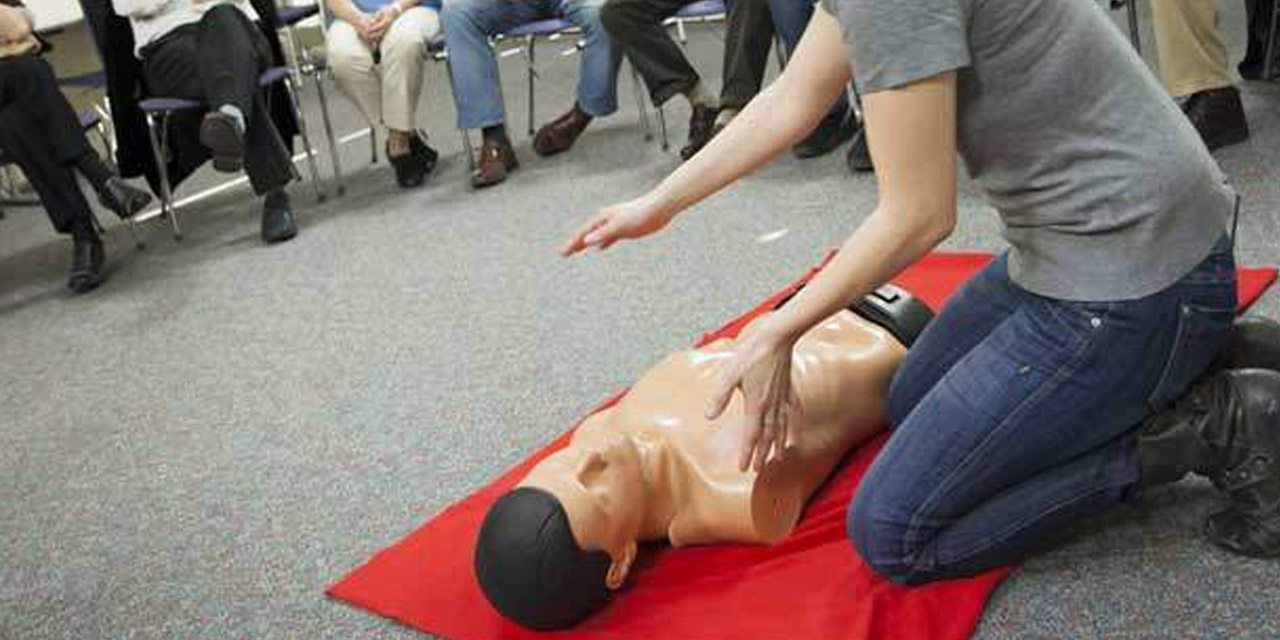
Our courses are designed to help staff build confidence as well as competence. For many care professionals, confidence is one of the biggest barriers to safe practice. Training gives learners the opportunity to refresh their knowledge, practise key skills and ask questions in a supportive environment before applying their learning in the workplace.
We provide group training for care providers rather than individual bookings. This helps organisations get better value from their training and supports shared learning across the team. Group training also allows staff to discuss local procedures, resident needs and real workplace scenarios together, making the learning more meaningful and easier to apply.
Where appropriate, we can also discuss whether your training needs may be supported through LDSS-eligible qualification delivery. This gives care providers the opportunity to develop their workforce through funded routes, subject to LDSS eligibility, set-up and approval requirements.
If you are looking for care home training, clinical skills training, CHAPs training or LDSS-eligible qualification delivery for your team, please contact us to discuss your requirements. We will be happy to help you choose the right course or qualification pathway for your service and workforce.