





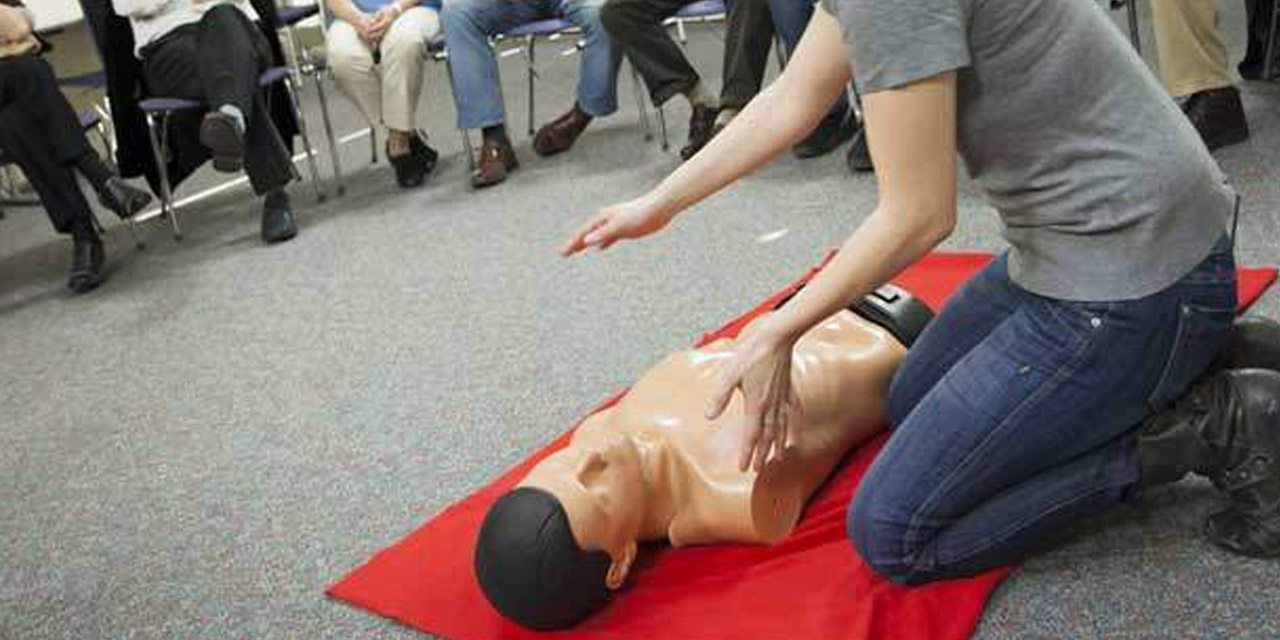



A tracheostomy can be life-saving, but it can also affect everyday activities that many of us take for granted, including speaking, eating, drinking and communicating. For the person living with a tracheostomy, feeling safe often depends on the people around them knowing what to do. Staff must be able to provide routine care confidently, recogniseContinue reading “The Importance of Effective Tracheostomy Care Training”
Category Archives: Uncategorized
How to Choose the Right Train the Trainer Course for Health and Social Care
Developing your own internal trainers can be a sensible investment. It gives your organisation access to training that reflects the people you support, the roles your staff perform, your equipment, policies and working environment. However, the value comes from choosing the right trainer, the right subject and the right qualification pathway. A short course andContinue reading “How to Choose the Right Train the Trainer Course for Health and Social Care”
A New Approach to Epilepsy and Buccal Midazolam Instructor Trainer Training
Why Co-Delivery Offers Stronger Assurance Than Traditional Train-the-Trainer Epilepsy and buccal midazolam training is safety-critical. When an organisation trains internal instructors, the purpose isn’t just to issue a Train-the-Trainer certificate. The purpose is to ensure that the instructor can teach safely, answer questions accurately, assess competence fairly, recognise unsafe practice, and understand when concerns needContinue reading “A New Approach to Epilepsy and Buccal Midazolam Instructor Trainer Training”
ESNA Buccal Midazolam Guidelines 2026: Key Changes to Emergency Seizure Medication Training
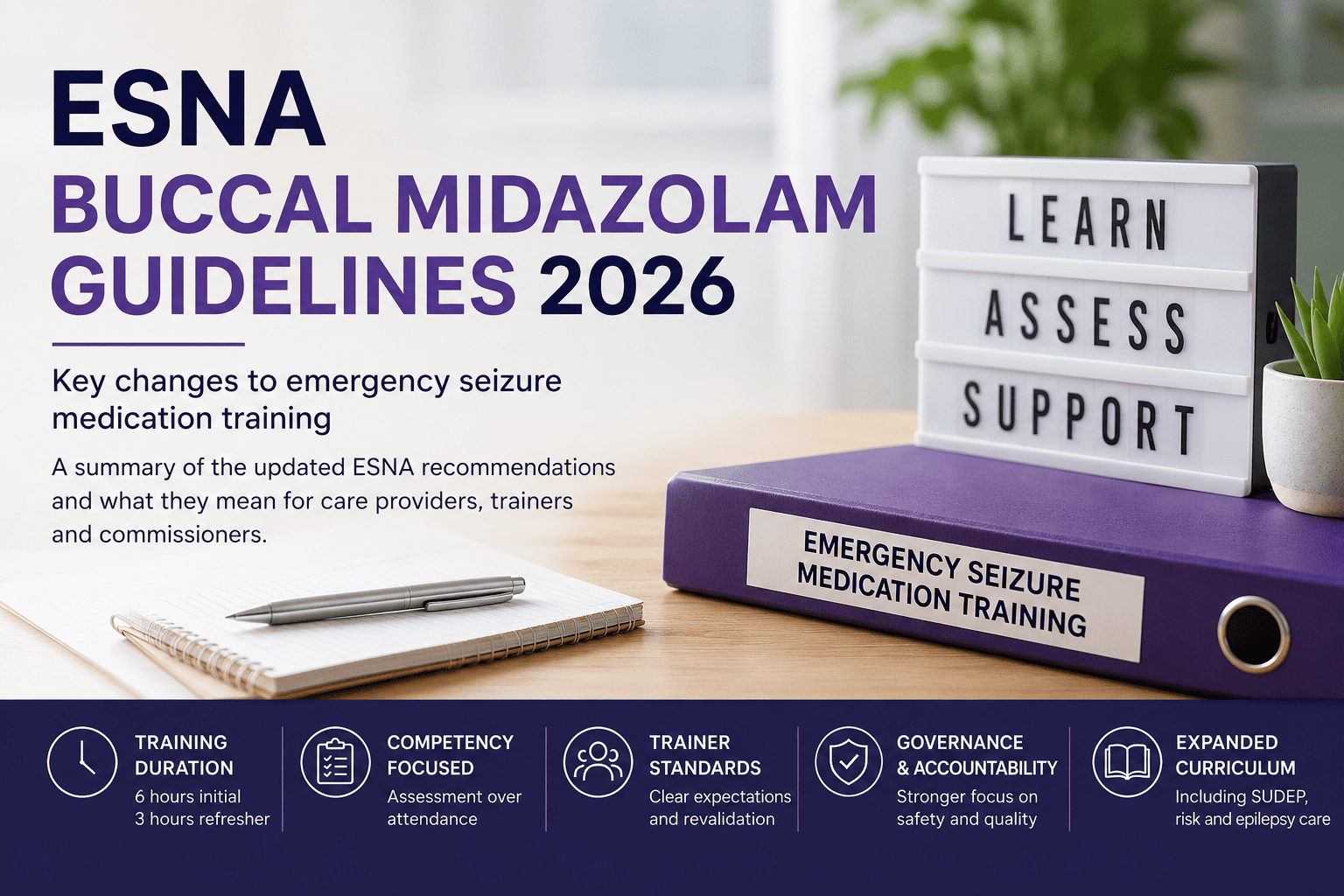
ESNA Buccal Midazolam Guidelines 2026: Key Changes to Emergency Seizure Medication Training The Epilepsy Specialist Nurses Association (ESNA) has published its updated ESNA Buccal Midazolam Guidelines 2026, providing revised best practice recommendations for the training, assessment and governance of emergency seizure medication administration in community settings. For organisations delivering or commissioning Buccal Midazolam training, epilepsyContinue reading “
ESNA Buccal Midazolam Guidelines 2026: Key Changes to Emergency Seizure Medication Training
“
Palliative Care in Care Homes – How to Deliver Person-Centred Support
If you manage or work in a care home, you already understand how important high-quality care is for the people you support. Many people living in your care home are adults with complex or long-term health conditions, and over time, some will require palliative and end-of-life care. Providing safe, compassionate, and person-centred care during thisContinue reading “Palliative Care in Care Homes – How to Deliver Person-Centred Support”
The Importance of Diabetes and Insulin Training
Millions of people across the UK are living with some form of diabetes. Many have type 2 diabetes, which can be managed by making some lifestyle changes and being aware of the risks. Others may require insulin injections or close monitoring of glucose levels. If you work in healthcare, it’s essential that you have anContinue reading “The Importance of Diabetes and Insulin Training”
Taking Health and Social Care Training to the Next Level

If you work in Health and Social Care, there is always more to learn. A lot of this learning is done by simply doing your job well, pushing yourself when faced with new challenges, and working closely with your peers to ensure you provide the best care possible. However, if career progression is your goal,Continue reading “Taking Health and Social Care Training to the Next Level”
Nasogastric Tube Insertion Training for People with Eating Disorders
Nasogastric tube (NGT) feeding, more recently referred to as NGT Nutrition, is used across many areas of healthcare, but in the context of eating-disorder treatment it has a very specific purpose: to restore physical and cognitive stability when someone is unable to meet their nutritional needs through oral intake. When used appropriately, and within theContinue reading “Nasogastric Tube Insertion Training for People with Eating Disorders “
Setting the Gold Standard for Buccal Midazolam Training

The Epilepsy Nurses Association (ESNA) recently introduced new national benchmarks for the administration and teaching of emergency seizure medication. These guidelines, known formally as the Emergency Seizure Medication/Midazolam Training Guidelines 2025, will ensure consistency across the healthcare sector so that all nurses and care providers receive the best training, and can therefore provide the bestContinue reading “Setting the Gold Standard for Buccal Midazolam Training “
ESNA Midazolam Training Guidelines 2025: Raising the National Standard for Emergency Seizure Medication Training
The Epilepsy Nurses Association (ESNA) has released the third edition of its Midazolam Training Guidelines (2025), the most comprehensive update yet to national best practice standards for the safe administration of emergency seizure medication in the community. This is vital for anyone working in healthcare, as epileptic seizures are common but not all first-aiders or healthcare professionals areContinue reading “ESNA Midazolam Training Guidelines 2025: Raising the National Standard for Emergency Seizure Medication Training “