Our four to six hour blended tracheostomy care training course helps staff develop the knowledge and practical skills required to support people with a tracheostomy safely, confidently and compassionately.
The course covers routine tracheostomy care, stoma and dressing care, suctioning, humidification, communication, clinical risks, emergency management and resuscitation considerations. Training can also be tailored to your organisation, staff roles, equipment and the needs of the people you support.
What Is a Tracheostomy?
A tracheostomy is an opening created through the front of the neck into the trachea, or windpipe. A tracheostomy tube is inserted through the opening to provide and maintain an airway. A tracheostomy may be required to:
Why Is Tracheostomy Care Training Important?
A blocked, displaced, or damaged tracheostomy tube can affect a person’s breathing very quickly. Staff must be able to recognise early warning signs, summon appropriate help and follow the person’s emergency tracheostomy plan without delay.
Safe routine care helps to:
Maintain a clear and effective airway
Prevent tracheostomy tube blockage
Identify tube displacement or accidental decannulation
Reduce infection and skin damage around the stoma
Manage respiratory secretions
Maintain appropriate humidification
Recognise changes in breathing or general condition
Ensure emergency equipment is available and ready for use
Tracheostomy care must always follow the person’s individual care plan, emergency plan, current clinical instructions, local policies, and the manufacturer’s guidance for the equipment being used.
Person-Centred Tracheostomy Care
Having a tracheostomy can be frightening and stressful, particularly when the tracheostomy has been newly formed or the person is adjusting to changes in breathing and communication.
A tracheostomy may affect the person’s voice, comfort, confidence, body image, swallowing, and ability to communicate their needs. Staff must therefore consider the person’s emotional wellbeing alongside their physical and clinical care. Effective support includes:
Explaining each procedure before beginning
Obtaining valid consent and respecting the person’s choices
Agreeing an accessible method of communication
Allowing sufficient time for the person to respond
Protecting privacy and dignity
Involving the person in their care wherever possible
Responding calmly to anxiety, discomfort or distress
Clear communication helps the person understand what is happening, reduces avoidable anxiety and enables staff to identify concerns more quickly, therefore, communication is included throughout our tracheostomy care training modules.
When developing this course, we realised that communication was not given much focus in similar medical training courses, so made sure to include it within not just this course, but all courses we provide.
Who Should Attend Tracheostomy Care Training?
This tracheostomy training course is suitable for staff whose role includes supporting someone with a tracheostomy, including:
Registered nurses and nursing associates
Homecare and domiciliary care workers
Complex care support workers
Community healthcare staff
Other health and social care professionals with relevant responsibilities
Course content can be adapted to reflect the learners’ roles and expected responsibilities. Clinical procedures should only be undertaken by staff who have received appropriate training, have been assessed as competent and are authorised to perform them within their role.
Tracheostomy Care Training Course Content
The content of this course can be tailored to your organisation and the needs of the people receiving care. A typical tracheostomy care course includes:
- Respiratory anatomy and physiology
- What a tracheostomy is and why it may be required
- Temporary and permanent tracheostomies
- Common types of tracheostomy tubes and their components
- Cuffed, uncuffed, fenestrated and non-fenestrated tubes
- Single and double-cannula tracheostomy tubes
- Understanding the person’s tracheostomy care plan and emergency plan
- Checking the tracheostomy tube, ties, dressings and surrounding skin
- Stoma care and dressing changes
- Cleaning and changing an inner cannula, where present
- Maintaining tube security and reducing accidental displacement risks
- Infection prevention and control
- Humidification and secretion management
- Indications, risks and precautions for tracheal suctioning
- Safe suctioning practice, where appropriate to the learner’s role
- Communication methods and reducing anxiety or distress
- Swallowing, nutrition and oral care considerations
- Clinical risk assessment and ongoing observations
- Recognising respiratory deterioration
- Identifying potential blockage, displacement, bleeding or infection
- Emergency equipment and routine safety checks
- Responding to a blocked or displaced tracheostomy tube
- Accidental decannulation and emergency escalation
- Resuscitation considerations for a person with a tracheostomy
- Principles of planned tube changes and decannulation, including professional boundaries
- Documentation, handover and reporting concerns
- When to stop care and obtain urgent clinical or emergency assistance
Practical Tracheostomy Training
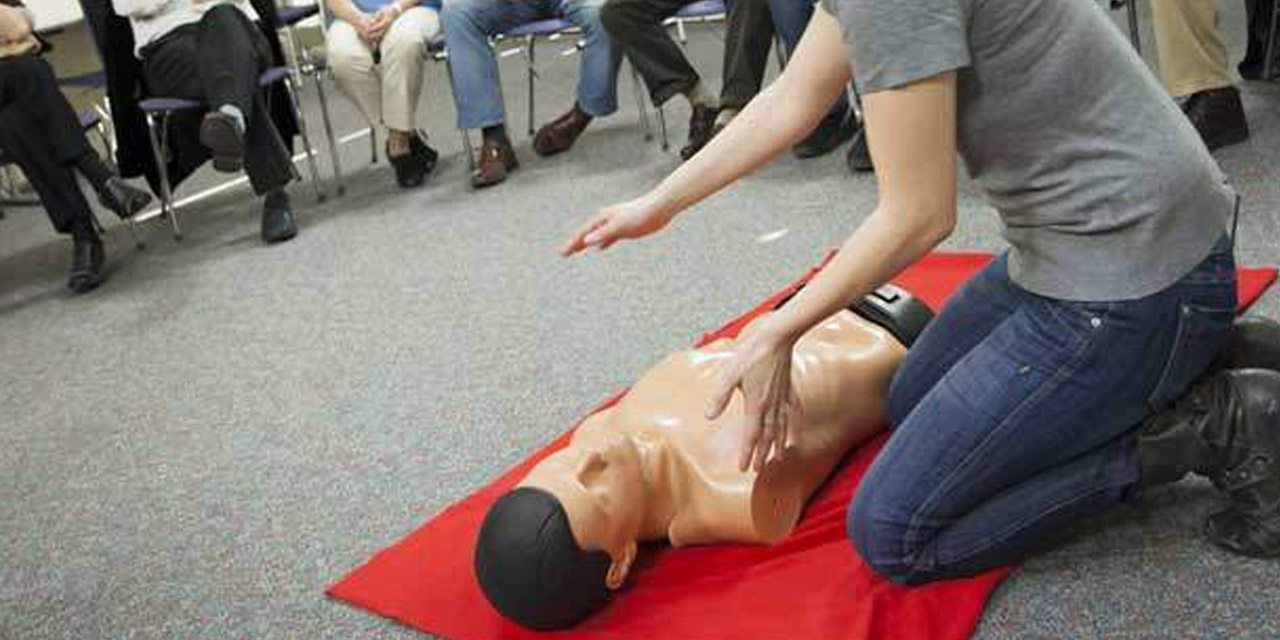
Tracheostomy care is a practical clinical skill. The course therefore combines clear theoretical teaching with demonstrations, realistic scenarios and supervised skills practice using appropriate training equipment or simulation manikins.
Depending on the agreed course specification and learners’ roles, practical activities may include:
Completing routine tracheostomy safety checks
Assessing the stoma and surrounding skin
Changing a tracheostomy dressing
Cleaning or changing an inner cannula
Practising tracheal suctioning
Checking emergency equipment
Responding to simulated tube blockage or displacement
Applying the appropriate emergency response process
Learners can ask questions, practise each procedure and receive constructive feedback from an experienced trainer.
Bespoke Tracheostomy Training for Your Organisation
Every care setting is different. We can tailor the course to reflect:
The needs of the people your organisation supports
The tracheostomy tubes and equipment used
Staff roles and levels of clinical responsibility
Individual care and emergency plans
Organisational policies and procedures
Previous incidents or areas of concern
Identified training or competency gaps
For example, training for care home or community support staff may place greater emphasis on routine care, observation, communication, escalation and emergency response.
Training for registered nurses may include more detailed clinical decision-making and advanced procedures relevant to their professional role. This ensures that the training remains practical, relevant and directly connected to the care staff are expected to provide.
Evidence-Based Tracheostomy Care Training Delivery
Our tracheostomy care courses are delivered by experienced healthcare educators, including registered nurse trainers with relevant clinical and teaching experience.
Course materials are reviewed and updated to reflect recognised tracheostomy guidance, current research and developments in clinical practice. Training also emphasises the importance of following local policies, manufacturer instructions and each person’s individual clinical care plan.
This combination of evidence-based learning and practical application helps staff understand not only what they need to do, but why each safety step matters.
Tracheostomy Training Assessment and Certification
Learners are assessed using a combination of
Questions and knowledge checks throughout the course
Written workbook or assessment activities
Scenario-based questioning
Observed practical demonstrations in a controlled environment
Learners who successfully meet the course requirements receive a tracheostomy care training certificate valid for two years.
Course completion confirms that the learner has attended the training and met the course assessment requirements. It does not, by itself, confirm ongoing workplace competence or authorise someone to undertake every tracheostomy-related procedure.
Workplace Tracheostomy Competency Assessment
Following the course, staff should complete workplace competency assessments relevant to their duties, the equipment used and the person receiving care. Guardian Angels Training can provide tracheostomy competency assessment documentation to support this process.
Workplace assessments should be completed by an appropriately qualified and competent assessor in accordance with the organisation’s clinical governance arrangements. Where an organisation does not have a suitable internal assessor, one of our registered nurse trainers may be able to provide onsite tracheostomy competency assessments.
Competency should be reviewed whenever:
The person’s tracheostomy or clinical needs change
Different equipment or procedures are introduced
Concerns arise about the member of staff’s practice
The staff member has not performed the skill for a significant period
Reassessment is required under organisational policy
Related Clinical Skills Training
Organisations supporting people with complex respiratory or nutritional needs may also benefit from our:
Respiratory Care Training Oral
Nasal and Tracheal Suction Training
Nasogastric Feeding and Care Training
Book Tracheostomy Care Training
If your organisation supports people with a tracheostomy, we can help you identify the most appropriate course content, practical assessment and workplace competency pathway.
Contact Guardian Angels Training to discuss:
The number and roles of learners
The equipment and procedures used
Person-specific training requirements
Onsite competency assessments
Enquire now about tracheostomy care training for your team.
Frequently Asked Questions
How long is the tracheostomy care training course?
The course normally takes six hours. The final timetable may be adjusted where bespoke content or additional practical assessment is required.
Is tracheostomy training suitable for carers and support workers?
Yes. The course can be adapted for carers, healthcare assistants and support workers whose role includes supporting someone with a tracheostomy. The content and practical skills included should reflect their agreed responsibilities and the person’s care plan.
Does the course include practical tracheostomy care?
Yes. The course includes practical demonstration and supervised skills practice using suitable training equipment or simulation manikins. The exact activities depend on the course specification and learners’ roles.
Does the course cover tracheostomy suctioning?
Tracheal suctioning is included where it is relevant to the learners’ duties. Training covers the indications, risks, equipment, safety precautions, procedure, monitoring and circumstances requiring escalation.
Does a training certificate prove that someone is competent?
A certificate confirms successful completion of the course assessment. Staff must still be assessed as competent in the workplace before independently carrying out delegated clinical procedures.
Can the course be tailored to one person’s care needs?
Yes. Bespoke training can reflect the person’s tracheostomy type, equipment, care plan, communication needs, known risks and emergency arrangements.
Can Guardian Angels complete workplace competency assessments?
Where required, we may be able to provide a registered nurse trainer to undertake onsite competency assessments. Please include this requirement when making your inquiry.