Whether you need to develop new clinical skills, refresh existing knowledge, assess staff competence or provide specialist training for your workforce, we offer flexible learning programmes tailored to your organisation’s needs. Our clinical skills training combines theoretical knowledge, practical learning and assessment to help staff understand not only how to perform clinical procedures safely, but also when to act, recognise potential complications and escalate concerns appropriately.
Who Are Our Clinical Skills Training Courses For?
Our healthcare and clinical skills courses are suitable for a wide range of professionals, including:
- Registered nurses and nursing associates – developing, updating and maintaining specialist clinical knowledge and practical skills.
- Healthcare assistants and support workers – undertaking appropriate clinical activities through training, supervision, competency assessment and employer-authorised delegation.
- Care home and domiciliary care staff – supporting individuals with clinical and complex healthcare needs.
- Community healthcare professionals – providing safe care and clinical interventions outside traditional healthcare settings.
- Hospice and palliative care teams – developing specialist knowledge and practical skills to support individuals with life-limiting conditions.
- School nurses, education and support staff – supporting children and young people with medical conditions and individual healthcare plans.
- Clinical educators, trainers and assessors – developing the skills to teach, assess and maintain clinical competence within their organisations.
Our courses are designed around the responsibilities, existing knowledge and learning needs of each professional group, helping organisations develop a capable and confident workforce.
Explore Our Clinical Skills Training Courses
Guardian Angels Training provides a comprehensive range of clinical and healthcare training programmes covering essential procedures, specialist interventions and the management of complex health conditions.
Training topics include:
- Epilepsy, Seizure First Aid and Buccal Midazolam – recognising seizures, responding to seizure emergencies and understanding the safe administration of prescribed rescue medication.
- Medication Administration and Competency Assessment – safe medicines management, administration, documentation, risk reduction and assessing staff competence.
- Diabetes Care and Insulin Administration – understanding diabetes, blood glucose monitoring, recognising complications and supporting safe insulin administration.
- Enteral Feeding and Gastrostomy Care – managing enteral feeding systems, gastrostomy care, infection prevention and identifying complications.
- Nasogastric Tube Care and Management – safe use, monitoring, risk awareness and escalation of concerns.
- Catheterisation and Urological Care – developing knowledge and practical skills in urinary catheter care and relevant clinical procedures.
- Dysphagia Awareness and Management – recognising swallowing difficulties, reducing associated risks and supporting safe eating and drinking.
- Respiratory Care and Clinical Interventions – supporting individuals with respiratory conditions and specialist care requirements.
- Palliative and End-of-Life Care – symptom management, person-centred care and specialist clinical support.
- Clinical Observation and Deterioration – recognising changes in an individual’s condition, recording observations and escalating concerns.
Our courses range from introductory and refresher training to more advanced clinical skills development, competency assessment and specialist Train the Trainer programmes. Individual course pages provide further information about learning outcomes, suitability, delivery options and assessment requirements.
Why Is Clinical Skills Training Important?
Effective clinical skills training is essential for maintaining safe standards of care, supporting professional development and reducing avoidable risks. Healthcare professionals must be able to apply their knowledge consistently, recognise changes in an individual’s condition and respond appropriately to clinical situations. For example, staff supporting a person with epilepsy may need to recognise different seizure types, provide appropriate seizure first aid and administer prescribed buccal midazolam in accordance with an individualised emergency care plan, their competence and organisational procedures. Similarly, staff supporting someone with diabetes may need to monitor blood glucose, recognise hypoglycaemia and understand when clinical intervention or urgent escalation is required.
Clinical skills training helps organisations to:
- Develop and maintain staff knowledge, confidence and practical skills.
Support safe, consistent and person-centred clinical care.
- Reduce risks associated with clinical procedures and medication administration.
- Identify learning needs and gaps in staff competence.
- Support professional accountability and appropriate delegation.
- Respond to changes in evidence, clinical guidance and recommended practice.
- Demonstrate a structured approach to workforce development and competency assurance.
Training is an important component of clinical governance. However, successful course completion does not automatically authorise an individual to undertake a clinical procedure. Employers must also ensure that staff are appropriately competent, supervised and authorised to practise within their role.
Clinical Skills Refresher Training and Continuing Professional Development
Healthcare guidance, equipment, medication and clinical procedures can change over time. Staff therefore need opportunities to review their knowledge, refresh practical skills and maintain competence.
Even experienced professionals may require additional training when returning to a procedure they have not performed regularly, working with unfamiliar equipment or supporting someone with more complex clinical needs. Guardian Angels Training offers clinical skills refresher courses and continuing professional development (CPD) to help staff maintain relevant knowledge and develop confidence in applying current practice.
Refresher training can be particularly valuable when:
Staff have not performed a clinical procedure for an extended period.
New clinical equipment, medicines or procedures are introduced.
Individual care requirements or organisational policies change.
Competency assessments identify areas requiring development.
Staff take on additional responsibilities or move into new roles.
Incident reviews, audits or supervision identify learning needs.
Our training can be adapted to address specific knowledge gaps, reinforce safe practice and provide opportunities for practical assessment where appropriate.
Clinical Training Aligned with UK Healthcare Standards
Clinical training must reflect relevant professional standards, clinical evidence and recognised guidance. At Guardian Angels Training, our programmes are developed and reviewed with reference to applicable UK legislation, professional requirements and evidence-based guidance, including relevant publications and standards from:
- Care Quality Commission (CQC) – regulatory requirements and expectations for safe, effective care in England.
- Skills for Care – workforce development, learning and quality standards for adult social care.
- Skills for Health – healthcare workforce development standards and relevant national frameworks.
- National Institute for Health and Care Excellence (NICE) – evidence-based clinical guidance and recommendations.
- Nursing and Midwifery Council (NMC) – professional standards relevant to registered nurses, midwives and nursing associates.
- National Occupational Standards – where applicable to particular clinical roles and competencies.
We recognise that clinical guidance must be applied appropriately to each healthcare environment, the individual’s assessed needs and the responsibilities of the staff involved.
Our programmes are supported by experienced clinical practitioners and educators who bring relevant healthcare experience into the learning environment.
Quality-Assured Clinical Training
Guardian Angels Training holds the Skills for Health Quality Mark and has achieved quality assurance recognition through Skills for Care’s Quality Assured Care Learning Service (QACLS). These recognitions reflect our commitment to quality in teaching, learning, assessment and workforce development. We aim to deliver training that is educationally effective, clinically relevant and directly applicable to the environments in which our learners work.
Accredited Clinical Skills Qualifications and Certificates
We offer a range of clinical skills courses, accredited qualifications and specialist training programmes to support workforce development and career progression. Depending on the programme, learners may work towards a regulated qualification, an endorsed award, a certificate of training or evidence of continuing professional development. Our provision includes Level 3 and Level 4 programmes, alongside specialist instructor and Train the Trainer courses.
- Level 3 qualifications – qualifications at a level comparable in difficulty to A levels, with content and assessment requirements determined by the individual qualification.
- Level 4 qualifications – higher-level qualifications comparable in difficulty to a Certificate of Higher Education, often requiring more advanced understanding, application and professional judgement.
- Train the Trainer programmes – specialist programmes that develop the knowledge, teaching skills and assessment capabilities needed to deliver training within an organisation, subject to the specific programme’s authorisation and governance requirements.
Not every clinical skills course leads to a regulated qualification. The type of certificate, qualification level, accreditation or endorsement is clearly identified within the relevant course information. Our team can help organisations select training that reflects their workforce’s responsibilities, existing competence and development needs.
Our Approach to Clinical Skills Training
We believe effective healthcare training should extend beyond presentations and the memorisation of clinical procedures. Our educational approach combines theoretical understanding, practical application, active participation and meaningful assessment, helping learners transfer new knowledge and skills into their everyday practice.
Flexible and Blended Learning
Depending on the course, training may include:
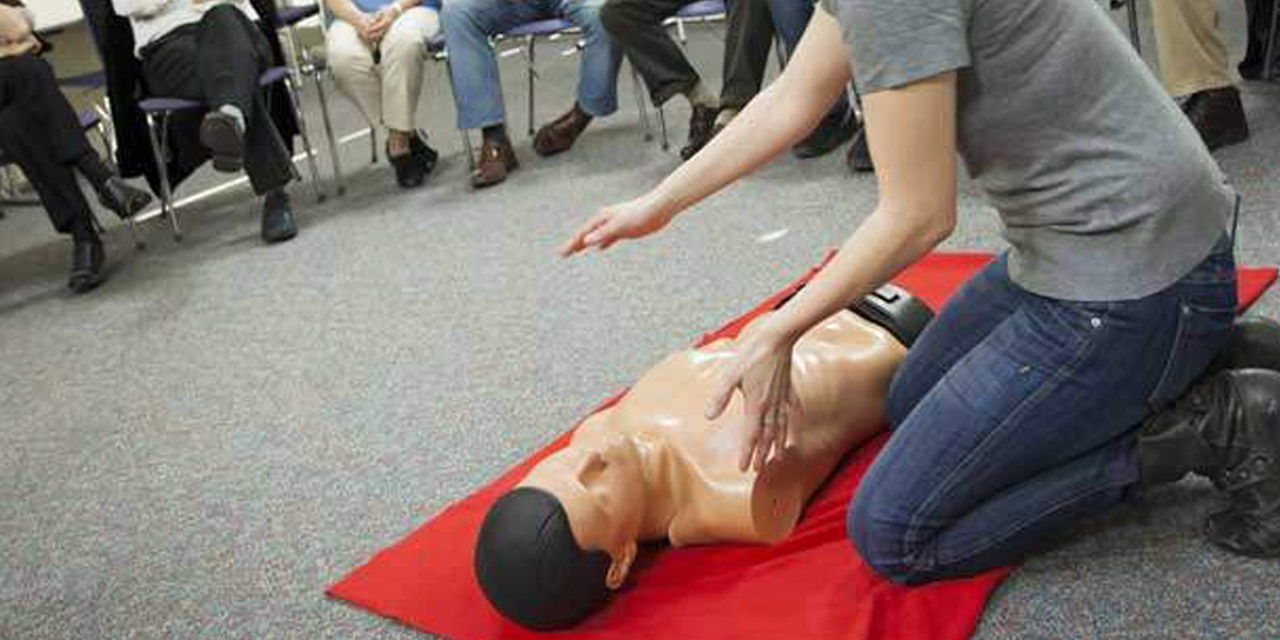
- Face-to-face clinical skills workshops – practical demonstrations, supervised activities, equipment familiarisation and opportunities to develop procedural skills.
- Virtual instructor-led training – interactive teaching, professional discussion, case studies and clinical decision-making activities.
- E-learning and pre-course study – flexible access to essential background knowledge, clinical information and preparatory activities.
- Scenario-based learning – applying knowledge to realistic healthcare situations, including recognising complications and deciding when to escalate concerns.
- Written and knowledge assessments – evaluating understanding of procedures, clinical risks, professional responsibilities and safe practice.
- Practical competency assessment – observing clinical skills and assessing whether defined competency requirements have been achieved.
Our blended learning programmes combine appropriate methods to support knowledge retention, practical skill development and the application of learning in the workplace. The delivery model is selected according to the clinical subject, learner needs and assessment requirements. Procedures requiring practical demonstration and assessment are not treated as equivalent to knowledge-only learning.
Clinical Competency Assessment
Knowledge alone does not demonstrate competence to perform a clinical procedure safely. Where required, our programmes incorporate practical assessment and support organisations in establishing appropriate workplace competency arrangements. Clinical competency assessment may evaluate:
- Preparation, infection prevention and equipment checks.
- Understanding of relevant indications, contraindications and risks.
- Safe and accurate performance of the procedure.
- Communication, consent and person-centred care.
- Recognition of complications and appropriate escalation.
- Record keeping and clinical documentation.
- Professional judgement and adherence to relevant care plans and procedures.
Assessments may be completed through supervised practical activities, simulation, workplace observation and professional discussion, depending on the clinical procedure and course requirements. Where appropriate, organisations can arrange support from our clinical trainers or develop suitably experienced internal assessors through specialist training.
Bespoke Clinical Skills Training for Healthcare Organisations
Every healthcare and social care organisation has different training requirements. Our bespoke clinical skills training programmes can be tailored to your workforce, clinical environment and the needs of the individuals you support. We work with NHS organisations, independent healthcare providers, care homes, hospices, community services, supported living providers and educational establishments. Bespoke training can incorporate your organisation’s relevant policies, clinical equipment, care pathways and operational procedures. We can also develop case studies and practical activities based on the clinical situations your staff are likely to encounter.Whether you need to train a small specialist team, introduce a new clinical procedure or deliver a structured programme across multiple services, we can help you identify an appropriate learning and assessment approach.
Frequently Asked Questions About Clinical Skills Training
What is clinical skills training?
Clinical skills training helps healthcare and social care professionals develop the knowledge, practical abilities and professional judgement required to undertake clinical activities safely. It may include theoretical learning, practical demonstrations, supervised practice and competency assessments.
Can healthcare assistants and care workers undertake clinical skills training?
Yes. Healthcare assistants and care workers can undertake clinical skills training relevant to their roles, including certain delegated healthcare activities. Whether they can subsequently perform a particular procedure depends on their competence, appropriate delegation, supervision, organisational authorisation and the legal and professional requirements of the activity.
Do your clinical skills courses include practical assessments?
Many of our clinical skills programmes include practical learning and assessment where appropriate. Assessment methods depend on the course and may include knowledge assessments, practical demonstrations, simulation, observed practice and competency-based evaluation.
Do you offer accredited clinical skills training?
Yes. Guardian Angels Training offers selected accredited and endorsed qualifications alongside specialist clinical training and CPD courses. The accreditation status, qualification level and certification arrangements depend on the individual programme.
Can clinical skills training be delivered at our workplace?
Yes. We offer in-house and bespoke clinical training for healthcare and social care organisations, subject to the course’s practical requirements, venue suitability and availability. Certain programmes may also be delivered virtually or through blended learning.
How often should clinical skills training be refreshed?
The appropriate refresher interval depends on the clinical procedure, applicable guidance, professional requirements, employer policy and the individual’s ongoing competence. Some programmes have defined renewal periods, while others require ongoing supervision, competency assessment or refresher training based on risk and learning needs.
Can you train our staff to become clinical skills trainers?
Yes. Our specialist Train the Trainer programmes support suitably experienced professionals to develop their teaching, assessment and subject-specific skills. Successful completion may allow trainers to deliver specified training within their organisation, subject to the programme’s requirements and appropriate clinical governance arrangements.
Book Clinical Skills Training with Guardian Angels Training
Whether you are looking for an individual clinical skills course, a refresher programme, a recognised qualification or bespoke training for your organisation, Guardian Angels Training can help. Explore our range of clinical skills training courses or contact our team to discuss your workforce development needs. We will help you identify suitable courses, delivery methods and assessment arrangements to support safe, effective and person-centred clinical care.